Best eSIM for Chile: coverage from the Atacama to Patagonia
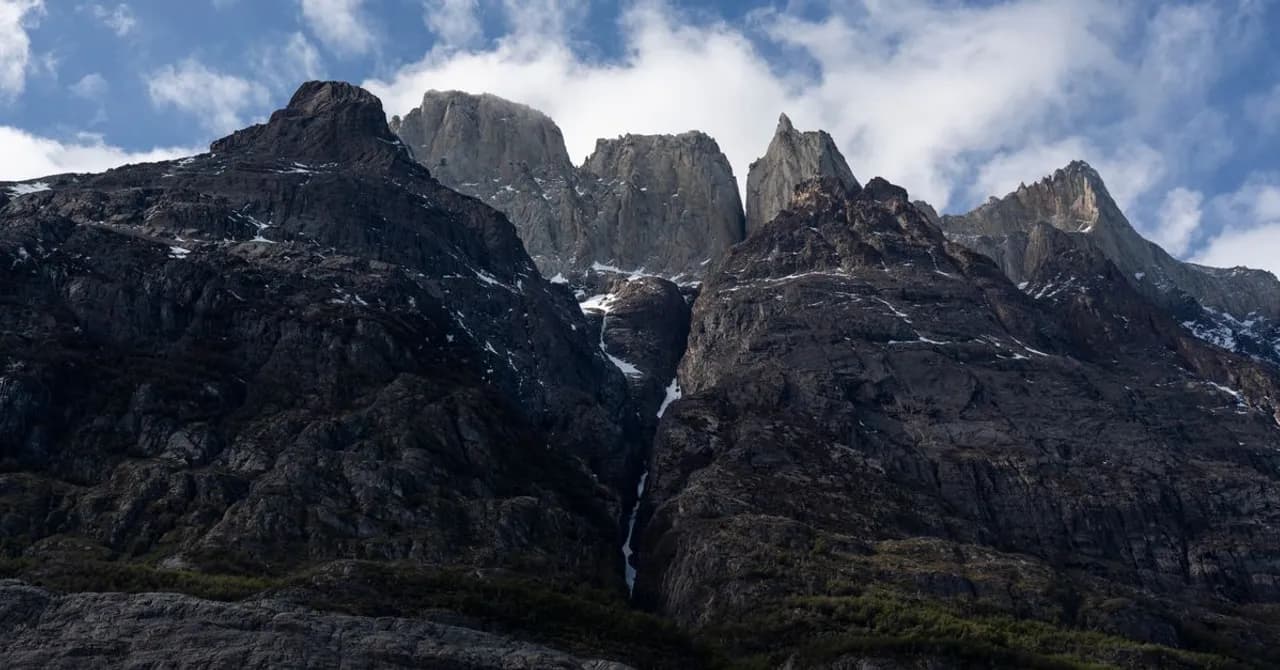
Budget 8–12 GB for a typical one- or two-week Chile trip, or 4–6 GB if you lean on hotel Wi-Fi at night. Install a travel eSIM before you fly: it rides Entel, Movistar, Claro and WOM, the same networks a local SIM uses. Coverage is dense around Santiago, thin in Patagonia, so download offline maps.
Contents
Chile runs over 4,300 km from the driest desert on Earth to the edge of Antarctica, so how connected you stay depends heavily on which leg of the trip you're on. Santiago, Valparaíso and the wine valleys have dense, fast coverage. San Pedro de Atacama, the Carretera Austral and Patagonia's national parks don't. Whether you're touring the capital, chasing geysers in the north, or driving south toward Torres del Paine, here's a realistic plan for getting online and sizing your data.
Why a travel eSIM is the best option for Chile
Roam on your home plan, buy a local SIM, or install a travel eSIM before you go, and for a Chile trip the eSIM is usually the easiest call. Roaming is the most expensive option by a wide margin. A local Chilean SIM is cheap per gigabyte but means finding a shop, showing ID, and swapping out your home SIM, which costs you your number for bank codes and messaging apps while it's out. A travel eSIM installs from home, keeps your own number live beside it, and rides the same major Chilean networks a local SIM would: Entel, Movistar, Claro and WOM. Weighing it up? See eSIM vs local SIM vs roaming or compare the real costs.
What actually eats your data in Chile
Four things dominate a Chile trip: Google Maps (constant, from Santiago's grid to the long drives between towns), ride-hailing apps like Uber and Cabify (the norm in Santiago), live translation for menus and signs, and photos and short videos home. Maps, ride-hailing and Translate are light on data; it's video, the clips you send and the autoplaying feeds you scroll, that quietly doubles most people's usage.
A realistic one- to two-week budget
Most travelers land between 5 GB and 12 GB for a week or two, more if the trip covers both the north and the south. Use this as a guide:
- Light (≈4–6 GB): maps + ride-hailing + messaging + evening Wi-Fi at the hotel.
- Typical (≈8–12 GB): all-day Maps and Translate, social posting, the odd video call home.
- Heavy (15 GB+ or unlimited): you stream, hotspot a laptop, or post stories all day.
| Activity | Rough data use |
|---|---|
| Maps & navigation | ~50 MB / day |
| Translate (camera mode) | ~100 MB / day |
| Messaging + photos | ~150 MB / day |
| Social scrolling | ~600 MB / hour |
| HD video streaming | ~1.5 GB / hour |
Before you fly, and the moment you land
Install the eSIM at home on Wi-Fi, it doesn't start the clock. On arrival at Santiago's Arturo Merino Benítez (SCL) or wherever you land, set Zwitchy as your data line and switch on Data Roaming for it (that just means "use the eSIM's partner network," never your home carrier). You'll be online before you reach your first Uber. Unsure on size? Start with 8–10 GB and top up in seconds if you run low.
Is your phone eSIM-ready?
Any eSIM-capable phone works on Chilean networks: iPhone XS / XR or newer, Google Pixel 3 and up, and recent Samsung Galaxy flagships. Two catches, the phone must be carrier-unlocked, and it's worth checking Settings → General → About for an available EID before you rely on it. Because the eSIM runs alongside your physical SIM, most travelers leave their home line in for calls and texts and simply select Zwitchy for mobile data, there's no dual-SIM juggling once it's set up, and you can switch back to your home data at any time with a tap.
Where you'll lean on data most
Santiago, Valparaíso and Concepción carry dense 4G and 5G, so maps, ride-hailing and translation fly without a second thought. Outside the cities, coverage thins fast: the Atacama Desert around San Pedro is vast, sparsely populated high desert with long stretches of no signal between towns, and Chilean Patagonia, including the Carretera Austral and Torres del Paine, is even thinner, with entire days of driving or trekking off any network. Download offline maps for both regions before you set out, and save your accommodation's address and any tour pickup points while you still have signal. Of the four networks, Entel generally reaches furthest into these remote stretches; Chile's telecom regulator runs a public coverage lookup tool if you want to check a specific address or route before you travel, though it's explicitly reference-only rather than a guarantee.
Continuing on through the region? Our South America guide covers the wider trip, and one regional plan can carry you across the border into Argentina, Peru or Bolivia on the same eSIM. Ready to pick a size?
Will one eSIM plan cover both Santiago and Patagonia?
Yes, a Chile eSIM works anywhere in the country on the partner networks. The only limit is coverage itself: Patagonia and the Atacama have real dead zones where no carrier reaches, eSIM or otherwise.
Which network reaches furthest outside the cities?
Entel generally has the widest rural and remote reach in Chile, which matters most on the Carretera Austral, around Torres del Paine, and in the Atacama's more isolated stretches.
Do I need a Chilean SIM to use Uber or Cabify in Santiago?
No. A travel eSIM gives you the same mobile data ride-hailing apps need to run; you don't need a local number to use them.
How much data do I need for a trip covering both the north and the south?
Budget toward the higher end, around 10–15 GB for two weeks, since you'll lean more on offline maps, photos and messaging across long driving and trekking days with patchy signal in between.
Can I top up if I run out of data on the Carretera Austral?
Only once you're back in signal, a top-up applies the moment you're on a network again. It's worth downloading offline maps and starting with a bigger allowance before you head into low-coverage stretches.
Popular Chile eSIM plans
Tap a size to see live Chile prices and buy in a couple of taps.


