eSIM vs pocket Wi-Fi in 2026
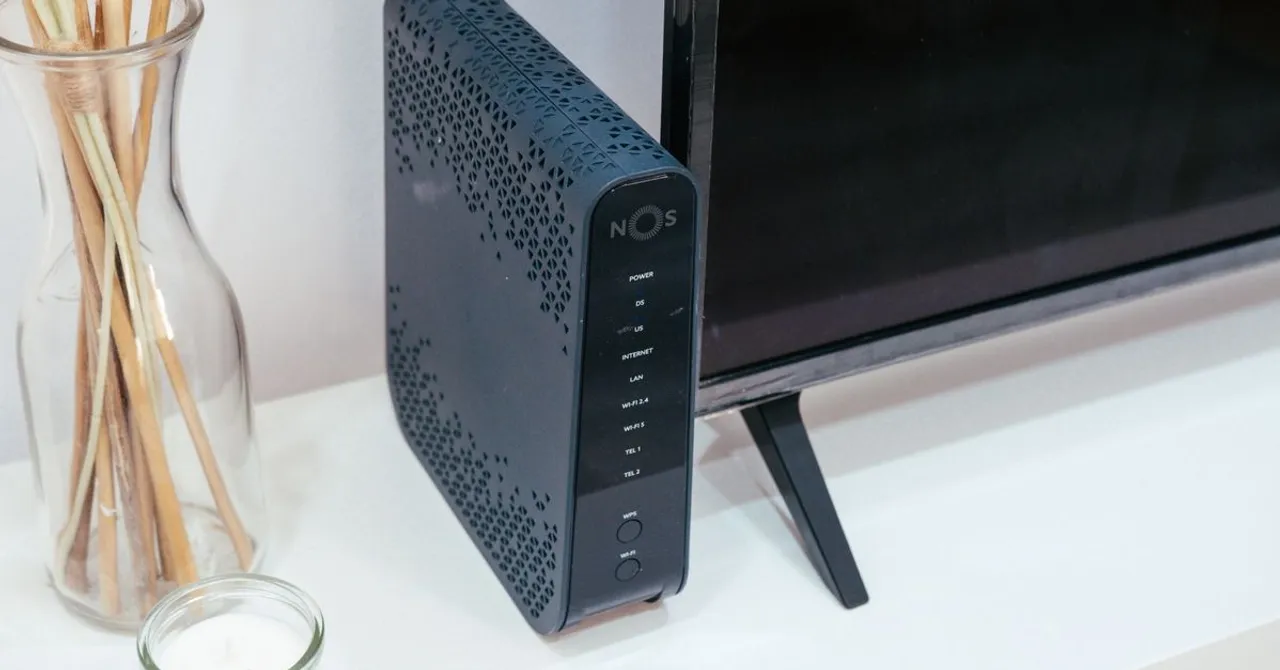
For solo travellers and couples the eSIM is usually cheaper: one payment for the data you pick, no deposit, no insurance, no daily rate counting your arrival and departure days, and no device to collect, recharge nightly or return. Pocket Wi-Fi keeps one edge, sharing a single connection with a whole group.
Contents
Renting a pocket Wi-Fi: a pocket-sized MiFi hotspot device, used to be the clever way around brutal roaming fees. In 2026, though, it's solving a problem most travelers no longer have. A travel eSIM installs on the phone already in your hand: nothing to collect at the airport, nothing to charge each night, nothing to post back. Pocket Wi-Fi isn't obsolete, and there's one situation where it genuinely still wins, so here's the fair, practical comparison across cost, hassle, battery, sharing and coverage. (If you're also weighing roaming and local SIMs, that's a separate comparison.)
What pocket Wi-Fi actually is
A pocket Wi-Fi (often called a MiFi) is a small battery-powered router with its own SIM inside. It pulls in a mobile signal and broadcasts a private Wi-Fi network that your phone, laptop and travel companions connect to. You typically rent one per trip: reserve online, pick it up at an airport counter or have it mailed to your hotel, then return it the same way at the end. The appeal was always simple, one connection, no fiddling with SIM cards, share it with the whole group. That pitch made a lot of sense in 2015. The question is whether it still does when the phone in your pocket can do the same job by itself.
The real cost, once you total it up
Headline rental prices look cheap, often a few dollars a day, but the daily rate is rarely the whole bill. Rentals usually charge per calendar day (pick-up and drop-off days both count), add insurance against damage or loss, and hold a deposit on your card that can take a week or two to release after you return the device. Miss the return window or lose the unit and the replacement fee can run to a hundred dollars or more. A travel eSIM has none of that: you pay once for the data you choose, there's no deposit, no device, and nothing to give back. Run your trip through the calculator and the eSIM is usually cheaper the moment you're travelling solo or as a couple.
- Per-day billing that counts both your arrival and departure days, even if you land at midnight.
- A refundable deposit held on your card, fine until it delays other bookings.
- Optional (but pushed) damage-and-loss insurance on top of the daily rate.
- Airport pick-up queues on arrival and a strict return deadline on the way out.
- A replacement charge, often $100+, if the device is lost, damaged or returned late.
eSIM vs pocket Wi-Fi, side by side
| Pocket Wi-Fi | Zwitchy eSIM | |
|---|---|---|
| Up-front cost | Daily rental + insurance + card deposit | One-time price for the data you pick, no deposit |
| What you carry | An extra device, its cable and charger | Nothing, it's on your phone |
| Battery | 6–10 hrs; a second thing to recharge nightly | Uses your phone's own battery |
| Sharing | One device shares with the whole group | Each phone has its own line; can still hotspot |
| Coverage | Whatever the one built-in SIM roams onto | Connects to local partner networks directly |
| Return / deposit | Post or hand it back; deposit released later | Nothing to return; expires on its own |
| If you lose it | You pay a replacement fee, and everyone's offline | Only your phone is affected; reinstall from your account |
The pattern is clear: for one or two people, the eSIM wins on almost every row. It's cheaper, it's one less thing to carry and charge, and losing your phone is already a catastrophe you plan around, losing a rented router is a second one you don't need.
The one case pocket Wi-Fi still wins
To be fair, pocket Wi-Fi still has a genuine niche. If you're a group of four or more who want to share a single connection and split one bill, a family with kids' tablets, a tour group, a work crew with laptops, one rented hotspot can be simpler than buying an eSIM per device, and it keeps everyone on one network without draining any one person's phone. It's also the answer for a device that has no eSIM slot at all: an older laptop, a Wi-Fi-only tablet, a camera that uploads over Wi-Fi. If that's you, pocket Wi-Fi earns its keep.
Rule of thumb: solo, couple or a few phones that each want data, go eSIM. A big group sharing one connection, or a gadget with no SIM of its own, a rented hotspot can still be the simpler choice.
But my eSIM can share, too
Here's the part people miss: a travel eSIM isn't locked to one phone's screen. Almost every modern phone can turn its eSIM data into a personal hotspot, so you can tether a laptop or lend signal to a friend's phone from the same plan, the same trick a pocket Wi-Fi does, minus the extra hardware. It's built into both iPhone and Android under Personal Hotspot. Just pick a plan with enough data, since tethering a laptop burns through it faster; we cover the settings and the gotchas in our hotspot and tethering guide.
Is pocket Wi-Fi cheaper than an eSIM?
Rarely, for one or two people. Once you add per-day billing, insurance and the deposit, a solo or couple's trip is almost always cheaper on a travel eSIM. Pocket Wi-Fi only starts to compete when a large group shares one device.
Can a travel eSIM share data with my laptop or a friend?
Yes. Turn on Personal Hotspot and your phone shares its eSIM data over Wi-Fi, exactly like a pocket Wi-Fi, just pick a plan with enough data for the extra devices.
What happens if I lose my pocket Wi-Fi?
You're charged a replacement fee, often $100 or more, and everyone relying on it is offline until it's sorted. Lose a phone running an eSIM and only that one line is affected, you can reinstall the eSIM on a replacement from your account.
Do I have to return anything with an eSIM?
No. There's no device, no deposit and nothing to post back. The plan simply expires at the end of its validity window.
When does pocket Wi-Fi still make sense?
Two cases: a group of several people who want to share one connection and one bill, or a device with no eSIM support at all, like an older laptop or a Wi-Fi-only tablet.