Which countries make you fill in a form before you land?
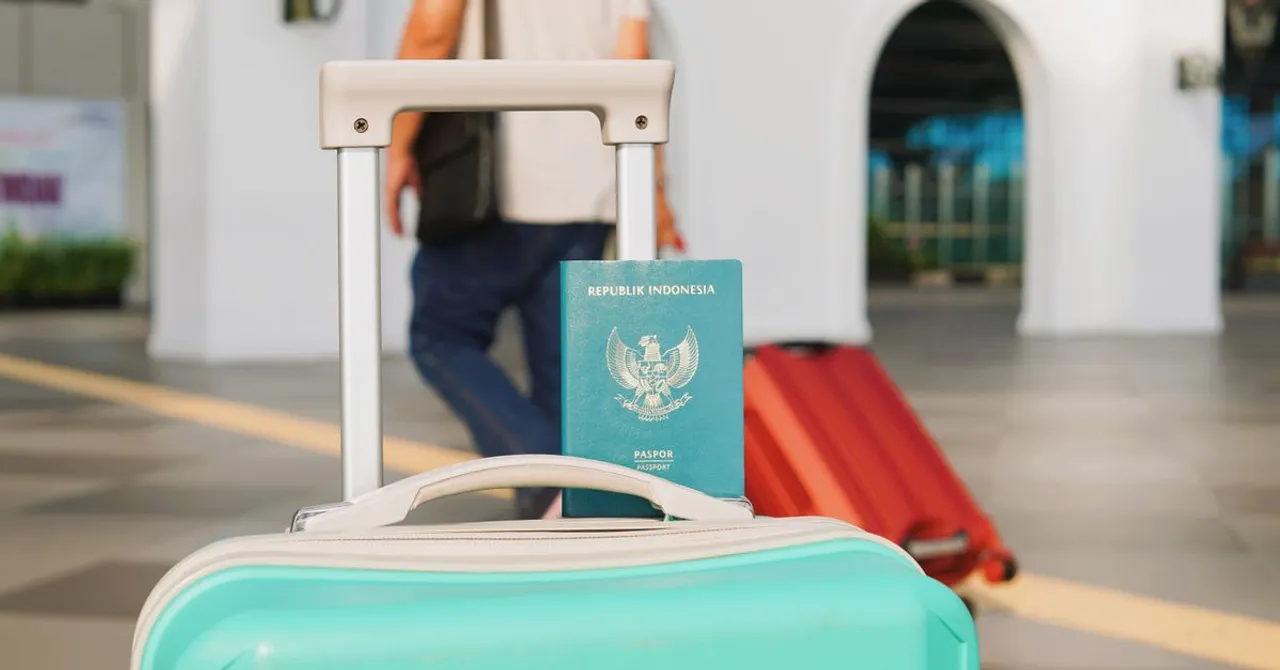
66 destinations want something from you online before you land. Most of it is a free digital arrival card, filed in the last three days before arrival. About a dozen charge for a travel authorisation, led by the US ESTA, Canada's eTA and the UK ETA. In the EU, only Latvia asks for a form, and only from some nationalities.
Contents
Arrival cards, travel authorisations, entry fees: more and more countries want something filled in online before you fly, and the rules keep changing. Search for your destination or tap it on the map to see what it asks for, who needs it, when to file and what it costs, with a link straight to the official form.
Find your destination
- Search or tap a country.Type its name in the box above the map, or tap it on the map. Small islands are dots, and the zoom buttons bring them closer.
- Read the colour.Arrival cardTravel authorisationFee, insurance or health formOptional or some travellersComing soonGrey means nothing to fill in.
- Open the official form.Each country links straight to the government site, with who needs it, when to file and what it costs.
Arrival cards are free almost everywhere. A site that charges you for one is not the government.
We checked each rule on 10 October 2026. Rules for the same country can differ by passport, so the official page always has the last word.
Three kinds of form, and how they differ
All three are filled in online and end in a confirmation or QR code you show at check-in or at the border. What separates them is what they decide and what they cost.
- Arrival card: the old paper card from the plane, moved online. It collects your flight, address and customs answers, decides nothing about whether you may enter, and is free everywhere we checked. The window usually opens 72 hours before you land.
- Travel authorisation: a permission to travel for visitors who don't need a visa, checked against security databases before you board. It costs from nothing to about US$40, lasts from one trip to several years, and can be refused. Apply days, not hours, before you fly.
- Fee, insurance or health form: things you must pay for or declare before you arrive, like Cabo Verde's airport security fee, Tanzania's compulsory insurance, the Galápagos transit card and health forms linked to outbreaks. Some airlines check them at check-in.
Two more colours on the map: optional forms that speed things up (Japan, China, Vietnam, Antigua, Colombia) or apply to some travellers only, and hatched countries for systems that are announced but not running yet, like the EU's ETIAS.
Never pay an agency for a free form. Sites that look official charge up to US$90 for arrival cards that cost nothing on the government site, and for authorisations that cost a fixed, lower fee there. Thailand, the Philippines, China, the Seychelles and the US government all warn about them. Every link on this page goes to the official site.
Before you fill anything in
- Watch the window. Most arrival cards only accept a submission within 72 hours of landing (some three days, some seven). File too early and the form won't let you.
- One per person, children too. Aruba, Papua New Guinea and Timor-Leste want a separate form for every traveller, children included. Only a few, like Palau and Saint Lucia, take one per family.
- Do it before the airport. Aruba wants the card approved before check-in, Suriname's fee voucher is checked at boarding, and nobody boards for Easter Island without the form. Kiosks on arrival exist, but the queue is longer.
- Keep the QR code offline. Screenshot the confirmation and save the email, along with the rest of your offline prep. Airport Wi-Fi often wants a phone number, and the SIM counter sits after immigration.
Land with data already working. Install your eSIM at home on Wi-Fi: it doesn't start the plan's clock. Switch it on when you land and you can pull up the QR code, the hotel address or the form's confirmation at the desk. Here is how to set up an eSIM before you fly.
Country by country
Every country below links straight to its official form. Tap a name to see it on the map with the details.
Asia
Asia is where the digital arrival card took over. Thailand, Singapore, Malaysia, Indonesia, the Philippines, Taiwan, Cambodia and India all want one before you land, nearly always within three days of arrival, and all of them are free. On an overland trip from Bangkok to Singapore that means three cards. South Korea takes its card online or on paper, and its K-ETA authorisation is waived for 22 nationalities, including US, UK, German, French and Japanese passports, until 31 December 2026. Japan, China and Vietnam offer an online form but don't require it.
Oceania and the Pacific
Australia and New Zealand both want an authorisation from visa-free visitors before they board. Australia's ETA is applied for in an app with an AUD 20 service charge (most Europeans use the free eVisitor instead), and New Zealand's NZeTA costs NZD 17 in the app, plus an NZD 100 visitor levy. New Zealand also asks everyone, its own citizens included, for a free traveller declaration. Papua New Guinea and Palau have online arrival forms, and Guam has a customs form.
Europe
Europe asks the least today. The UK is the only country charging visitors for an authorisation: the ETA costs £20 and covers EU, US, Canadian and Australian passport holders. Inside the EU, only Latvia has a form, for nationals outside the EU, NATO and the OECD. ETIAS, the EU's own authorisation, is still not running and has no start date. At the border, the new Entry/Exit System scans your face and fingerprints, but there is nothing to fill in beforehand. More in what you need for Europe this winter.
Middle East
Israel is the only country in the region with an ESTA-style authorisation for visa-free visitors, the ETA-IL. The Gulf states, Jordan, Lebanon and Turkey use visas, e-visas or visa-free entry, with no extra form before arrival.
Africa and the Indian Ocean
Africa has changed fastest in the last two years. Kenya replaced its visa with an eTA that most visitors need, and the Seychelles wants a travel authorisation from everyone. South Africa added a customs traveller declaration for everyone entering on 1 July 2026, and Tanzania made travel insurance compulsory for visitors to the mainland on 1 October 2026. Cabo Verde charges its airport security fee online in advance. Several countries also run health forms linked to the 2026 Ebola outbreak. Those change quickly, so check the official link close to your flight.
North and Central America
The US ESTA and Canada's eTA are the two you are most likely to need. The ESTA covers arrivals by air and sea. Canada's eTA is only for flying in, and US citizens never need it. Mexico asks for nothing in advance if you fly in. Land crossings need the FMM online, and Cancún, Tulum and Cozumel charge the VISITAX tourist tax. Belize, Guatemala and Honduras have moved their immigration or customs forms online.
Caribbean
Most Caribbean islands have moved the paper immigration and customs card online. The form usually opens 72 hours before you land and is free, though copycat sites charge US$30 to US$90 for the Dominican Republic's E-Ticket. St Kitts and Nevis is the exception, with a US$17 eTA for every visitor, and Aruba adds a US$20 sustainability fee once a year. Cuba's D'Viajeros form sits on top of the tourist visa, and data in Cuba needs its own planning. If you are hopping islands, one plan for the Caribbean saves you a SIM on each.
South America
South America hardly uses pre-arrival forms. Suriname wants an online immigration form and a US$50 entry fee before you fly. The Galápagos and Easter Island have their own rules on top of Ecuador's and Chile's, and Colombia's Check-MIG is optional.
Coming soon
- ETIAS (EU): a €20 authorisation for visa-free visitors to 30 European countries. It is not running and has no date; the EU promises several months' notice. Anyone selling it today is not the EU.
- JESTA (Japan): the law passed in May 2026, and it must start by 31 March 2029 at the latest. No fee or date yet.
- Australia's digital arrival card: it replaces the paper incoming passenger card, rolling out across airports over 12 to 18 months from July 2026.
- K-ETA (South Korea): the waiver for 22 nationalities ends on 31 December 2026.
Forms you can forget
Hong Kong scrapped arrival cards for visitors in October 2024. Bermuda replaced its paid travel authorisation with a free arrival card in 2022. The Covid-era forms are gone too: Canada's ArriveCAN health questions, India's Air Suvidha, Costa Rica's health pass and the Turks and Caicos "TCI Assured".
Questions travellers ask
Is an arrival card the same as a visa?
No. An arrival card only records who you are and where you are staying. It doesn't give you permission to enter, so if your passport needs a visa, you still need the visa as well.
What happens if I forget the form?
At most airports you can still fill it in on a kiosk or your phone before immigration, but you will queue twice. Where the airline checks it, like Aruba, Suriname or Easter Island, you may not be allowed to board.
Why did a website charge me for my arrival card?
It was an agency, not the government. Almost every arrival card is free on the official site, and travel authorisations cost a fixed fee there. Check the address against the links on this page.
Do I need internet to show the QR code?
Not if you save a screenshot. But you will want data on landing anyway, for the ride and the hotel, and an eSIM installed at home works the moment you switch it on.
How often do these rules change?
Often. At least seven of the forms on this map started in the last twelve months. We checked every rule on 10 October 2026, and each country links to the official page so you can confirm before you fly.
Sources: each country's immigration, customs or health authority, linked from every country above. Where a government site would not load for us, the UK Foreign Office's travel advice or the country's embassy confirmed the rule, and the country's card on the map says so.
Please note: this guide is general information, not legal or immigration advice. Entry rules change often and can differ by passport, so some details here may be out of date by the time you read them. Before you travel, check the official government source for your destination yourself. You are responsible for having the right forms and documents.
Browse travel eSIM plans →

