Best eSIM for Cameroon: coverage from Douala to Yaoundé
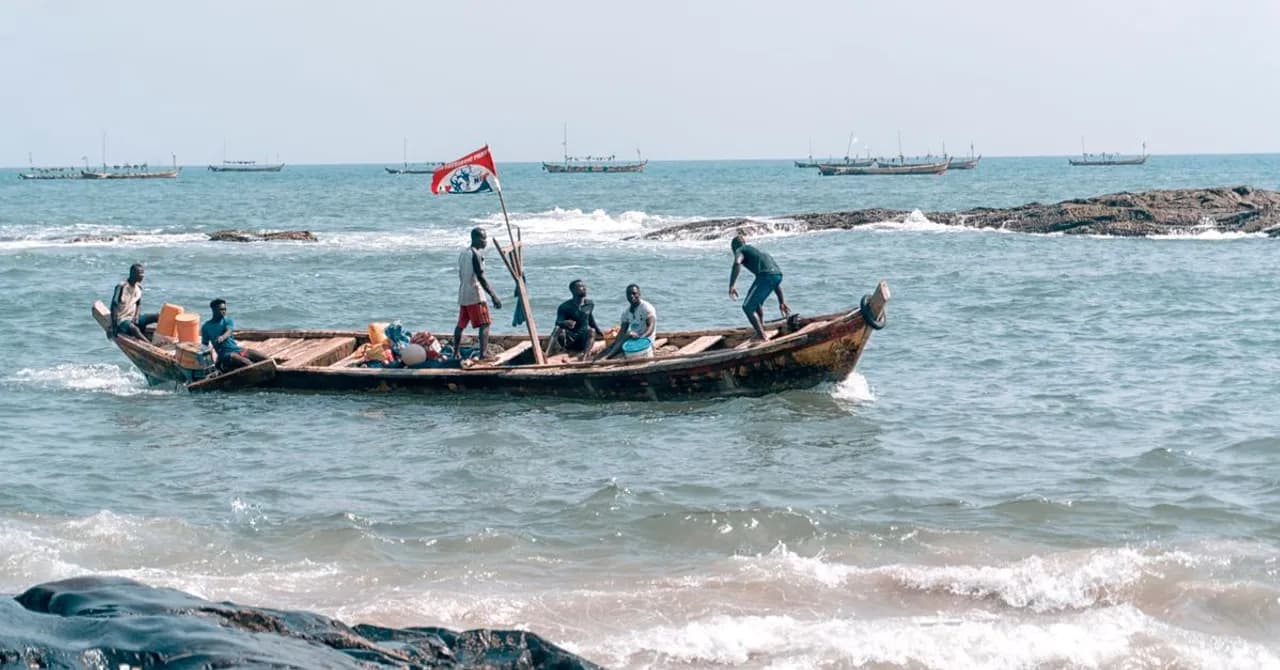
MTN and Orange carry almost all of Cameroon's coverage: strong 4G in Douala, Yaoundé and the coast, thinning to 3G or nothing well off the main roads. Budget 3–5 GB for a city stay, 6–9 GB with Kribi, Limbe or Mount Cameroon added, more if you stream or tether.
Contents
Cameroon packs an entire continent's worth of geography into one country: Atlantic beaches at Kribi and Limbe, a live volcano rising straight out of the sea at Mount Cameroon, the crafts and palaces of the western highlands around Foumban and Dschang, and Sahel savanna and elephant herds far north at Waza. It's bilingual too, French across most of the country and English through the Northwest and Southwest regions, so a single trip can move between both without much friction. What doesn't change from town to town is which two networks carry your signal, or how far ahead you should plan your data.
Why a travel eSIM is the best option for Cameroon
Roam on your home plan, buy a local SIM, or install a travel eSIM before you go. Roaming from outside Central Africa is typically the most expensive option per gigabyte. A local SIM from MTN or Orange means finding a shop after you land, showing a passport for the mandatory registration, and swapping it into a phone that has to be carrier-unlocked to accept it. A travel eSIM installs from home over Wi-Fi, keeps your own number live alongside it, and connects to the same partner network the moment you land, no queue, no paperwork. Weighing it up? See eSIM vs local SIM vs roaming or compare the real costs.
MTN and Orange: Cameroon's two networks
Two operators carry almost the whole country, both licensed and monitored by ART, Cameroon's telecommunications regulator, which has been in open discussions with MTN over service quality as recently as mid-2026. MTN Cameroon is the larger of the two: its own figures put population coverage at 97% for 2G, 90% for 3G and 70% for 4G, reaching every regional capital and the main highway corridors. Orange Cameroon runs a close second, covering more than 31,000 localities, over 90% of the population for voice and more than 70% for mobile broadband. Your travel eSIM's partner network draws on this same underlying infrastructure, so you connect to whichever operator actually reaches where you're standing, MTN or Orange, rather than betting on one brand nationwide.
What actually eats your data here
Three things dominate a Cameroon trip: WhatsApp, the default here for arranging a driver, a guide or a guesthouse booking well before you'd trust a signal to hold; maps, essential on the long drives between Douala, Yaoundé, Kribi and the west, where a missed turn on an unmarked road can cost an hour; and photo and video, of the coast, the volcano or Foumban's carved palace gates. Maps and messaging are light on data; it's video, uploaded once you're back on hotel Wi-Fi, that does the real damage.
A realistic data budget
Most travelers land between 3 GB and 8 GB for a one- to two-week trip, and how much of it goes on driving between stops matters more than the number of days. Use this as a guide:
- Light (≈2–3 GB): a Douala or Yaoundé stay with day trips, light maps and messaging, evening Wi-Fi at the hotel.
- Typical (≈4–6 GB): a city stay plus Kribi or Limbe, regular navigation and messaging, some photo sharing.
- Heavy (8 GB+ or unlimited): you add Mount Cameroon or Waza, or hotspot a laptop on the road.
| Activity | Rough data use |
|---|---|
| Maps & navigation | ~50 MB / day |
| Messaging + photos | ~150 MB / day |
| Social scrolling | ~600 MB / hour |
| HD video streaming | ~1.5 GB / hour |
Kribi, Limbe and the Atlantic coast
Cameroon's coast runs from Kribi in the south, where the Lobé Falls drop straight into the ocean a short drive from town, up to Limbe in the Southwest, black volcanic-sand beaches at the foot of Mount Cameroon and the Limbe Wildlife Centre's primate sanctuary. Both towns sit well within MTN and Orange's core coverage, so signal holds up on the beach and in town; it's the unpaved roads between them and inland to the falls where it can thin to 3G for a stretch.
Mount Cameroon and Waza: opposite ends of the map
Mount Cameroon, an active volcano rising over 4,000 meters straight from the Gulf of Guinea near Buea, is the highest peak in West and Central Africa and a two- to three-day climb for anyone reasonably fit. Signal follows the road up from Buea and fades above the tree line, so download offline maps before you start. At the opposite end of the country, Waza National Park in the far north has carried UNESCO Biosphere Reserve status since 1979, its Yaéré floodplains supporting elephants, giraffes and more than 300 bird species. It's remote: expect a signal in Waza village and Maroua, and treat the park itself as offline once you're out on a game drive.
Before you fly, and the moment you land
Install the eSIM at home on Wi-Fi, it doesn't start the clock. Most international flights land at Douala International Airport, the economic capital and the country's main gateway, though some connect through Yaoundé Nsimalen for the political capital instead. Once you're through immigration, set Zwitchy as your data line and switch on Data Roaming for it (that just means "use the eSIM's partner network," never your home carrier). You'll be online before your transfer into town. Unsure on size? Start with 4–6 GB and top up in seconds if you run low.
Is your phone eSIM-ready?
Any eSIM-capable phone works here: iPhone XS / XR or newer, Google Pixel 3 and up, and recent Samsung Galaxy flagships. Two catches, the phone must be carrier-unlocked, and it's worth checking Settings → General → About for an available EID before you rely on it. Because the eSIM runs alongside your physical SIM, most travelers leave their home line in for calls and texts and simply select Zwitchy for mobile data, there's no dual-SIM juggling once it's set up, and you can switch back to your home data at any time with a tap.
Heading on from Cameroon? Nigeria borders it to the west and runs on its own local networks, and Chad, reachable from the Waza corridor in the far north, needs a separate plan the moment you cross too. Ready to pick a size?
Will one eSIM plan cover me in Douala, Yaoundé and Kribi?
Yes, a single Cameroon eSIM plan works nationwide, including Kribi, Limbe and Mount Cameroon. Coverage itself is the only limit, once you're deep in Waza National Park or well off the highway grid, there's no signal to connect to, eSIM or otherwise.
Which network will my eSIM use in Cameroon?
Your Zwitchy eSIM connects to whichever local partner network covers where you are, MTN or Orange, the same way a local SIM would, without you needing to choose or configure anything.
Do I need a local SIM to use ride-hailing or messaging apps in Cameroon?
No. A travel eSIM gives you the same mobile data those apps need to run; you don't need a local number for WhatsApp or to arrange a driver through your hotel.
How much data do I need for a two-week Cameroon trip covering the coast and the highlands?
Budget toward 6–8 GB if the trip mixes a Douala or Yaoundé stay with Kribi or Limbe and a Mount Cameroon climb. A single-city stay can get by on 3–4 GB.
Do I need to register a SIM with my passport to use a Cameroon eSIM?
No. That in-person passport check applies to a local MTN or Orange SIM card bought in-country. A travel eSIM installs and activates from home with just an email address for delivery.
Is my phone eSIM-compatible for Cameroon?
Any eSIM-capable phone works, iPhone XS/XR or newer, Google Pixel 3 and up, and recent Samsung Galaxy flagships, as long as it's carrier-unlocked.
Popular Cameroon eSIM plans
Tap a size to see live Cameroon prices and buy in a couple of taps.
Get a travel eSIM for 200+ destinations in under a minute.
Get your Cameroon eSIM →

