Best eSIM for Suriname: coverage from Paramaribo to the rainforest interior
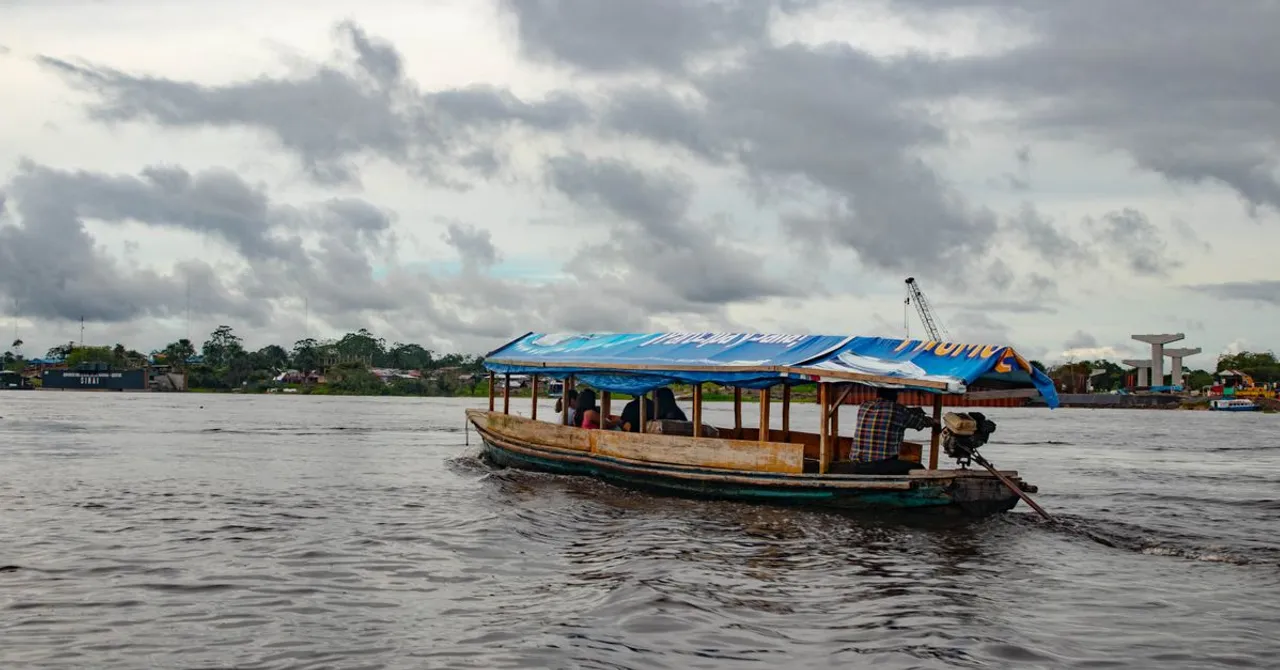
Budget 5–8 GB for a Paramaribo base with day trips, or 2–4 GB if you're mostly upriver at a rainforest lodge, where signal is limited. Suriname runs on two networks, Telesur and Digicel, and a travel eSIM rides the same ones a local SIM would, installed before you fly and beside your own number.
Contents
Suriname packs a Dutch colonial capital and one of the largest stretches of untouched rainforest on Earth into a single small country on South America's northeast coast. Paramaribo's UNESCO-listed inner city, with its wooden Dutch buildings and Sranan Tongo, Hindi and Javanese all spoken within a few blocks of each other, and the plantations along the Commewijne river, are one kind of trip. A multi-day journey up the Suriname River to a rainforest lodge, or a hike at Brownsberg Nature Park, is another entirely, and the two connect very differently. Here's which network reaches furthest, a realistic data budget, and where the signal actually stops.
Why a travel eSIM is the best option for Suriname
Roam on your home plan, buy a local SIM, or install a travel eSIM before you go, and for Suriname the eSIM usually wins on convenience. Roaming is the priciest option by a wide margin outside a handful of regional deals. A local SIM from Telesur or Digicel is cheap per gigabyte, but buying one in Paramaribo means finding a shop, showing your passport, and swapping out your home SIM, which costs you your number for banking codes and messaging apps while it's out. A travel eSIM installs from home, keeps your own number live beside it, and rides the same two networks a local SIM would, Telesur and Digicel. Weighing it up? See eSIM vs local SIM vs roaming or compare the real costs.
What actually eats your data in Suriname
Three things dominate a Suriname trip: maps for the drive out to Brownsberg Nature Park or a river landing for the Upper Suriname, WhatsApp (the default here for booking guesthouses, tour operators and river-lodge transfers), and photos and video, of the rainforest canopy, the river villages, or Paramaribo's wooden colonial streets. Messaging and photos are light; it's video, the clips you send home and the feeds you scroll on the ride out to the interior, that quietly does most of the damage. Translation apps see occasional use too: Dutch is the official language and most tourism staff speak good English, but menus, market signs and bus schedules outside the capital are often Dutch-only.
A realistic one- to two-week budget
Most travelers land between 4 GB and 10 GB for a week or two, and a trip that spends several days upriver at a rainforest lodge tends to sit toward the lower end simply because there's less signal to use once you're there. Use this as a guide:
- Light (≈2–4 GB): a river-lodge stay with limited signal, maps + messaging + evening Wi-Fi where the lodge has it.
- Typical (≈5–8 GB): a Paramaribo base with day trips, all-day maps and messaging, social posting in town.
- Heavy (10 GB+ or unlimited): you stream, hotspot a laptop, or post stories all day from the coast.
| Activity | Rough data use |
|---|---|
| Maps & navigation | ~50 MB / day |
| Messaging + photos | ~150 MB / day |
| Social scrolling | ~600 MB / hour |
| HD video streaming | ~1.5 GB / hour |
Before you fly, and the moment you land
Install the eSIM at home on Wi-Fi, it doesn't start the clock. Most international arrivals land at Johan Adolf Pengel International Airport near Zanderij, about 45 minutes south of Paramaribo, on a direct KLM or Surinam Airways route from Amsterdam, or connecting via Miami, Trinidad or Belém. The moment you land, set Zwitchy as your data line and switch on Data Roaming for it (that just means "use the eSIM's partner network," never your home carrier). You'll be online before the taxi reaches town. Unsure on size? Start with 5–8 GB and top up in seconds if you run low.
Is your phone eSIM-ready?
Any eSIM-capable phone works on Surinamese networks: iPhone XS / XR or newer, Google Pixel 3 and up, and recent Samsung Galaxy flagships. Two catches, the phone must be carrier-unlocked, and it's worth checking Settings → General → About for an available EID before you rely on it. Because the eSIM runs alongside your physical SIM, most travelers leave their home line in for calls and texts and simply select Zwitchy for mobile data, there's no dual-SIM juggling once it's set up, and you can switch back to your home data at any time with a tap.
Where the signal is strong, and where it thins
Paramaribo and the coastal districts, Commewijne, Wanica and Nickerie, carry solid 4G on both Telesur and Digicel, and you won't think about signal at all wandering the old town or riding out to a Commewijne plantation for the day. Telesur, the state-run operator, generally reaches furthest into the interior districts of Brokopondo and Sipaliwini, though more than 85% of Suriname is pristine rainforest and much of it has no mobile coverage at all. A multi-day trip up the Suriname River to a lodge in the interior, or a hike at Brownsberg Nature Park overlooking the Brokopondo reservoir, is where the signal genuinely runs out rather than just thinning, so download offline maps and save your lodge's directions and pickup details before you leave the coast.
Continuing overland into Guyana or French Guiana? Both share the same coastal-city-versus-rainforest-interior pattern, and one regional South America plan can carry you across the border on the same eSIM; our South America guide runs the wider numbers. Ready to pick a size?
Which network will my eSIM use in Suriname?
Zwitchy's Suriname plans ride the country's two networks, Telesur and Digicel, so coverage matches what a local SIM would get.
Will I have signal at a rainforest lodge or on the Suriname River?
Often not. Coverage thins out fast once you leave the coastal districts, and multi-day river trips into the interior frequently have none at all. Download offline maps and save your lodge's directions before you head upriver.
Do I need ID to use a data eSIM in Suriname?
No. A data-only eSIM like this one installs and activates without any in-person ID check, checkout just needs an email address for delivery. A local voice/SMS SIM from Telesur or Digicel is the one that requires showing your passport in person.
How much data do I need for a week split between Paramaribo and the interior?
Budget toward the lower end of the 4-10 GB range, since days upriver or at a rainforest lodge often have little or no signal to use. Add more only if you're spending most of the trip in Paramaribo and the coastal districts.
Is my phone eSIM-compatible for Suriname?
Any eSIM-capable phone works, iPhone XS/XR or newer, Google Pixel 3 and up, and recent Samsung Galaxy flagships, as long as it's carrier-unlocked.
Does one eSIM cover a trip that continues into Guyana or French Guiana?
Not the Suriname-only plan, but a regional South America eSIM covers all three along with the rest of the continent on one install, so there's nothing to swap at the border.
Popular Suriname eSIM plans
Tap a size to see live Suriname prices and buy in a couple of taps.
Get a travel eSIM for 200+ destinations in under a minute.
Get your Suriname eSIM →

