Best eSIM for Lebanon: Beirut to Baalbek
Most eSIM apps that list Lebanon among their countries don't actually connect there. Independent testing in 2024 found only a couple genuinely work, and even those ride informal roaming rather than a real deal with either network. Budget 4 to 7 GB for a week covering Beirut, Byblos and Baalbek; coverage leans on generators as much as towers.
Contents
- Why a travel eSIM is the best option for Lebanon
- Not every eSIM that claims to cover Lebanon actually does
- What actually eats your data in Lebanon
- A realistic one-week budget
- Before you fly, and the moment you land
- Is your phone eSIM-ready?
- Why Lebanon's coverage depends on diesel as much as distance
- Lebanon's regulator is finally back
Beirut's restaurants, rooftop bars and the seafront Corniche get most of the attention, but a Lebanon trip is really three trips stacked into one country the size of Connecticut: the capital, the Phoenician harbor town of Byblos, the Roman temples at Baalbek up in the Bekaa Valley, and a south coast running through Sidon and Tyre.
Byblos, Baalbek and Tyre are all UNESCO World Heritage Sites in their own right, one of the highest concentrations in a country this size, and a week can take in the harbor town, the ruins and the coast without feeling rushed.
Getting connected for all three matters more here than in most destinations. A lot of "works everywhere, Lebanon included" eSIM listings turn out not to. Here's what actually connects, a realistic data budget, and the one local quirk, an electricity grid that shapes network reliability more than distance does, that a thinner guide won't mention.
Why a travel eSIM is the best option for Lebanon
Three ways to get online: roam on your home plan, buy a local SIM from Alfa or touch, Lebanon's two mobile networks, or install a travel eSIM before you fly. Roaming is the most expensive by a wide margin unless your home plan already bundles Lebanon.
A local prepaid line needs a passport at the counter and a trip into Beirut; Alfa and touch both run stores in Hamra, Verdun and Achrafieh. touch confirms its own eSIM supports two active numbers on one device, physical SIM and eSIM side by side, but neither carrier sells a dedicated tourist eSIM the way some countries do. A travel eSIM installs from home over Wi-Fi, keeps your own number live for calls and bank codes, and rides the same partner network a local SIM would use. Weighing it up? See eSIM vs local SIM vs roaming.
Not every eSIM that claims to cover Lebanon actually does
This is the detail worth knowing before you buy anywhere: independent testing in July 2024 found that most international eSIM apps advertising Lebanon coverage simply didn't connect on either Alfa or touch on arrival. Only a couple of them worked at all, and both carriers said they have no formal partnership agreement with any of the international apps that do; the access rides informal roaming arrangements instead, not a deal either network stands behind.
Lebanon is one of the harder countries to "just check the coverage map" for. A plan that lists Lebanon is not the same as a plan that connects in Lebanon, so it's worth confirming with whoever sells you the eSIM rather than assuming every country list is built the same way.
What actually eats your data in Lebanon
WhatsApp is the default for messaging, voice notes and calls across Lebanon, not iMessage or SMS, and it runs almost constantly once you're meeting people or booking a taxi through an app. Careem, the ride-hailing app most people use here instead of flagging a taxi off the street, adds its own steady pull on maps and live tracking while you wait.
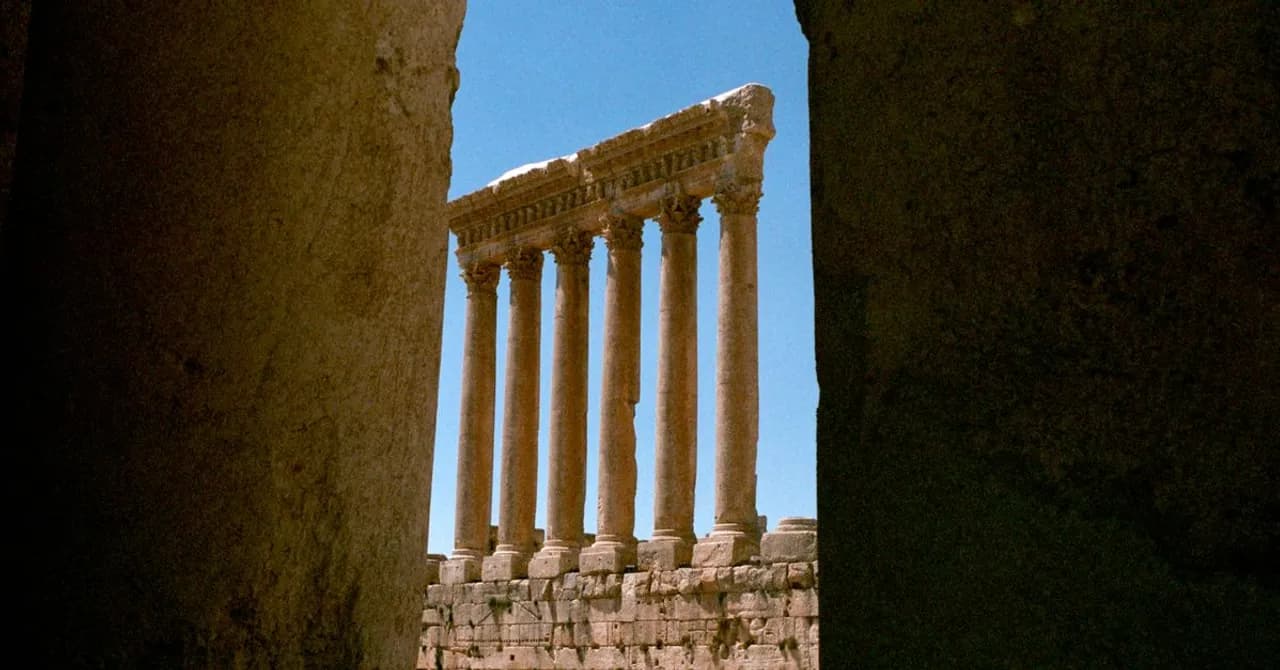
Maps come next: Beirut's streets aren't always signposted the way a first-time visitor expects, and the drive up to Baalbek or along the coast to Tyre leans on turn-by-turn navigation. Photos and video from Byblos's Crusader harbor, the columns at Baalbek and Beirut's nightlife round out the total, and they're what actually pushes a data estimate past what maps and messaging alone would use.
A realistic one-week budget
Most travelers land between 4 GB and 7 GB for a week based in Beirut with day trips out, more with a multi-city loop up to Tripoli and the Cedars. Use this as a guide:
- Light (≈3–4 GB): Beirut only, maps, WhatsApp and evening Wi-Fi at the hotel.
- Typical (≈5–7 GB): Beirut plus day trips to Byblos, Baalbek and the south, regular photo and voice-note traffic.
- Heavy (10 GB+ or unlimited): a Tripoli and Cedars extension, or you hotspot a laptop working from a café.
| Activity | Rough data use |
|---|---|
| Maps & navigation | ~50 MB / day |
| WhatsApp messaging and voice notes | ~100 MB / day |
| Social scrolling | ~600 MB / hour |
| HD video streaming | ~1.5 GB / hour |
Before you fly, and the moment you land
Install the eSIM at home on Wi-Fi, it doesn't start the clock. Nearly every international arrival lands at Beirut–Rafic Hariri International Airport (BEY), the country's only commercial airport, a few kilometers south of downtown. Once you're through passport control, set Zwitchy as your data line and switch on Data Roaming for it (that just means "use the eSIM's partner network," never your home carrier). Unsure on size? Start with 5 GB and top up in seconds if you run low.
Is your phone eSIM-ready?
Any eSIM-capable phone works on Lebanon's networks: iPhone XS/XR or newer, Google Pixel 3 and up, and recent Samsung Galaxy flagships. Two catches, the phone must be carrier-unlocked, and it's worth checking Settings → General → About for an available EID before you rely on it. Because the eSIM runs alongside your physical SIM, most travelers leave their home line in for calls and texts and simply select Zwitchy for mobile data.
Why Lebanon's coverage depends on diesel as much as distance
Alfa and touch both run 4G LTE, locally marketed as 4.5G, across Beirut, the coastal cities and the main Bekaa towns, and on paper that reads like solid, unremarkable coverage. What the map doesn't show is what keeps a tower running when the grid goes down.
Lebanon's rolling blackouts leave some areas with as little as three to four hours of state electricity a day, and a 2024 assessment of the country's internet infrastructure found generator fuel alone accounts for roughly seven percent of the telecom sector's total operating expenses, diesel bought specifically to keep cell towers alive between outages. A full signal bar in Beirut is normal. What can slip is speed and reliability during a bad stretch of rationing, not a coverage gap the way a mountain valley would cause.
The terrain adds its own gaps on top of that. Signal thins in the higher villages of the Chouf and drops out on some of the switchback roads up toward the Cedars near Bcharre, ordinary mountain shadow rather than anything specific to the grid. Download offline maps before a Chouf or Cedars drive and it won't matter either way.
Lebanon's regulator is finally back
One more piece of context worth knowing: Lebanon's Telecommunications Regulatory Authority sat effectively dormant for 13 years and was only formally relaunched in October 2025 under a new chair. Lebanon's telecoms regulator describes its own role as regulating and developing the sector, including tariffs, licensing and consumer complaints, powers that had gone largely unused for over a decade. It's a genuinely recent development, and one reason "how eSIM coverage works in Lebanon" is a more current question than it looks.
Combining Beirut with a wider trip? Turkey is a short flight from Beirut and runs on its own local networks, as does the UAE if the itinerary continues to the Gulf, and Jordan needs its own plan too if Petra is on the list. Ready to pick a size?
Does every eSIM that lists Lebanon as a supported country actually work there?
No. Independent testing in 2024 found most international eSIM apps advertising Lebanon coverage didn't connect on either Alfa or touch, and the few that did relied on informal roaming rather than a real partnership with either network. Confirm coverage with whoever sells you the eSIM rather than assuming a country list guarantees a connection.
How much data do I need for a week in Lebanon?
Budget 4-7 GB for a week based in Beirut with day trips to Byblos, Baalbek or the south. Add more for a longer multi-city loop up to Tripoli and the Cedars.
Which networks does a travel eSIM use in Lebanon?
Zwitchy's Lebanon plans ride the country's two national networks, Alfa and touch, the same ones a local SIM would use.
Does Lebanon's electricity crisis affect my eSIM's connection?
It can affect speed and reliability during bad stretches of power rationing, since towers lean on generator backup, more than it causes outright coverage gaps. A 2024 assessment put generator fuel at about 7% of the telecom sector's operating costs, a sign of how central backup power has become to keeping networks running.
Will my eSIM work in the Chouf mountains or near the Cedars?
Expect it to thin out in the higher villages and on some switchback mountain roads, ordinary terrain shadow rather than a network fault. Download offline maps before a mountain drive.
Do I need to show ID or register my phone to use a travel eSIM in Lebanon?
No. A passport check applies to a local prepaid SIM bought over the counter from Alfa or touch. A travel eSIM installs online with just an email address for delivery.
Does my EU roaming plan cover Lebanon?
No. Lebanon isn't in the EU or EEA, so the "Roam Like at Home" rules that cover free roaming inside the EU stop at its border; check your carrier's non-EU rates or use a travel eSIM instead.
Is my phone eSIM-compatible for Lebanon?
Any eSIM-capable phone works, iPhone XS/XR or newer, Google Pixel 3 and up, and recent Samsung Galaxy flagships, as long as it's carrier-unlocked.
Popular Lebanon eSIM plans
Tap a size to see live Lebanon prices and buy in a couple of taps.
Get a travel eSIM for 200+ destinations in under a minute.
Get your Lebanon eSIM →

