Best eSIM for Panama: Canal to Bocas del Toro
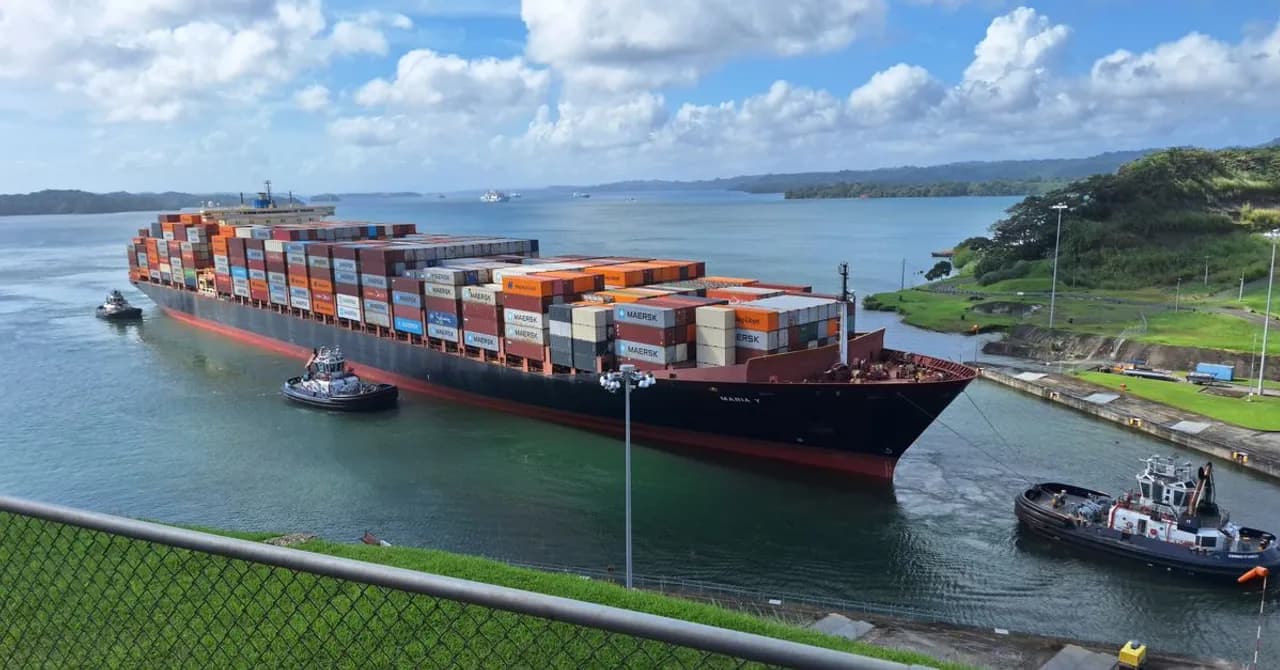
Panama runs two national networks, +Móvil and Tigo, after Cable & Wireless absorbed Claro Panamá in July 2022. City and Canal-corridor coverage is strong 4G and 5G; budget 6 to 10 GB for a week between Panama City, the Canal and Bocas del Toro's main town. Outer cayes like the Zapatillas have none at all.
Contents
Panama links two oceans and several distinct landscapes: a modern banking capital, the Canal's locks, cool coffee highlands, and the Bocas del Toro archipelago on the Caribbean side. Coverage tracks that variety closely. Panama City and the Canal corridor run some of the region's fastest urban networks, while outer islands and highland backroads thin out fast.
Why a travel eSIM is the best option for Panama
Three ways to get online in Panama: roam on your home plan, buy a local SIM after you land, or install a travel eSIM before you fly. Roaming is priciest by far. A local SIM from +Móvil or Tigo means a passport at the counter and a second number your bank has never seen.
A travel eSIM installs from home over Wi-Fi, keeps your number live, and rides the same two networks a local SIM would use. Weighing it up? See eSIM vs local SIM vs roaming.
Two networks, not three, since 2022
If a coverage map or forum post still lists Claro as a separate option here, it's out of date. Cable & Wireless Panamá completed its purchase of América Móvil's Claro Panamá operations on 1 July 2022, folding it into +Móvil. Only +Móvil and Tigo remain as national networks, and a travel eSIM already rides both automatically, there's no carrier menu to pick from.
What actually eats your data in Panama
Four things dominate a Panama trip: Google Maps threading Panama City's Cinta Costera and the Canal's access roads, Uber in the capital, live Canal-transit webcams from the Miraflores Locks visitor terrace, and photos from Casco Viejo and Bocas del Toro's cayes. Maps and rideshare are light. It's the webcam feed and the photo backlog from the islands that add up.
A realistic budget
Most travelers land between 6 GB and 12 GB for a one- to two-week trip:
- Light (≈4–6 GB): Panama City and the Canal on Maps, Uber and messaging, evenings on hotel Wi-Fi.
- Typical (≈8–12 GB): the above plus Bocas del Toro's main town, photo uploads, and a Boquete highlands day trip.
- Heavy (15 GB+ or unlimited): hotspotting a laptop from a Bocas guesthouse, or streaming most evenings.
| Activity | Rough data use |
|---|---|
| Maps & rideshare navigation | ~50 MB / day |
| Messaging & photos | ~100 MB / day |
| Social scrolling | ~600 MB / hour |
| HD video streaming | ~1.5 GB / hour |
Before you fly, and the moment you land
Install the eSIM at home on Wi-Fi; it doesn't start the clock. Panama checks two things at Tocumen (PTY) that a coverage map won't warn you about: proof of onward travel and at least US$500 in verifiable funds, the same balance the Servicio Nacional de Migración can ask to see at the counter. Sort both before you fly, not after.
Clear immigration, then set Zwitchy as your data line and switch on Data Roaming, that just means using the eSIM's partner network. You'll be online before the taxi or Uber pickup outside arrivals. Unsure on size? Start around 8 GB and top up in seconds if you run low.
Is your phone eSIM-ready?
Any eSIM-capable phone works on Panama's networks: iPhone XS/XR or newer, Google Pixel 3 and up, and recent Samsung Galaxy flagships. The phone must be carrier-unlocked, and it's worth checking Settings → General → About for an EID before you rely on it. Most travelers leave their home SIM in for calls and texts and select Zwitchy for data.
The only currency question here is which pocket
Panama is one of the few countries in this guide where you won't need a currency app. The balboa has been pegged 1:1 to the US dollar since 1904, and US bills circulate directly as legal tender alongside Panamanian coins. Bring dollars; there's nothing to convert and nothing to lose on a bad exchange rate.
Where you'll lean on data most
Panama City, the Canal corridor and Boquete's coffee highlands hold a strong signal throughout. Bocas Town on Isla Colón gets decent 4G at the dock; the outer cayes past it, the Zapatillas, Cayo Crawl, Bastimentos' far side, have next to none on any network.
Adding the San Blas islands to the trip instead? Our Panama-to-Colombia boat-crossing guide covers Guna Yala's coverage in detail, and it's thinner again than Bocas.
Heading north to Costa Rica afterward? It runs on its own local networks, so it needs its own plan unless a regional Americas plan already covers both legs. Continuing on to Colombia instead, our Colombia coverage guide runs the same numbers from Bogotá to the Caribbean coast. Ready to pick a size?
Which network will my eSIM use in Panama?
Whichever of +Móvil or Tigo is strongest where you're standing, the country's only two national networks since Cable & Wireless absorbed Claro Panamá in July 2022. Your phone hands off between them on its own; there's nothing for you to choose.
How much data do I need for a week in Panama?
Budget 6 to 10 GB if you're splitting the week between Panama City, the Canal and Bocas del Toro's main town, with Maps, Uber and photos running most days. Drop toward 4 to 6 GB if you're staying mostly in the capital.
Will my eSIM work in Bocas del Toro?
In Bocas Town on Isla Colón, yes, on decent 4G. Push out to the Zapatillas Cayes, Cayo Crawl or the far side of Bastimentos and coverage drops to nothing on any network, so download offline maps before you head out to the outer islands.
Do I need proof of onward travel and $500 to enter Panama?
Yes. Panama's immigration service can ask for a return or onward ticket and evidence of at least US$500 in funds at the border, and travelers have been denied boarding without them. Sort both before you fly, not at the counter.
Is my phone eSIM-compatible for a trip to Panama?
If it's an iPhone XS or XR or newer, a Pixel 3 or later, or a recent Samsung Galaxy flagship, almost certainly, as long as it's carrier-unlocked. Check Settings → General → About for an available EID first, or run through the compatibility checklist.
Does a Panama eSIM also cover San Blas (Guna Yala)?
It rides the same +Móvil and Tigo networks there, but coverage across the Guna Yala archipelago is patchy at best and absent on most cays, an infrastructure gap rather than a plan limit. Our Panama-to-Colombia crossing guide covers it in detail.
Popular Panama eSIM plans
Tap a size to see live Panama prices and buy in a couple of taps.
Get a travel eSIM for 200+ destinations in under a minute.
Get your Panama eSIM →