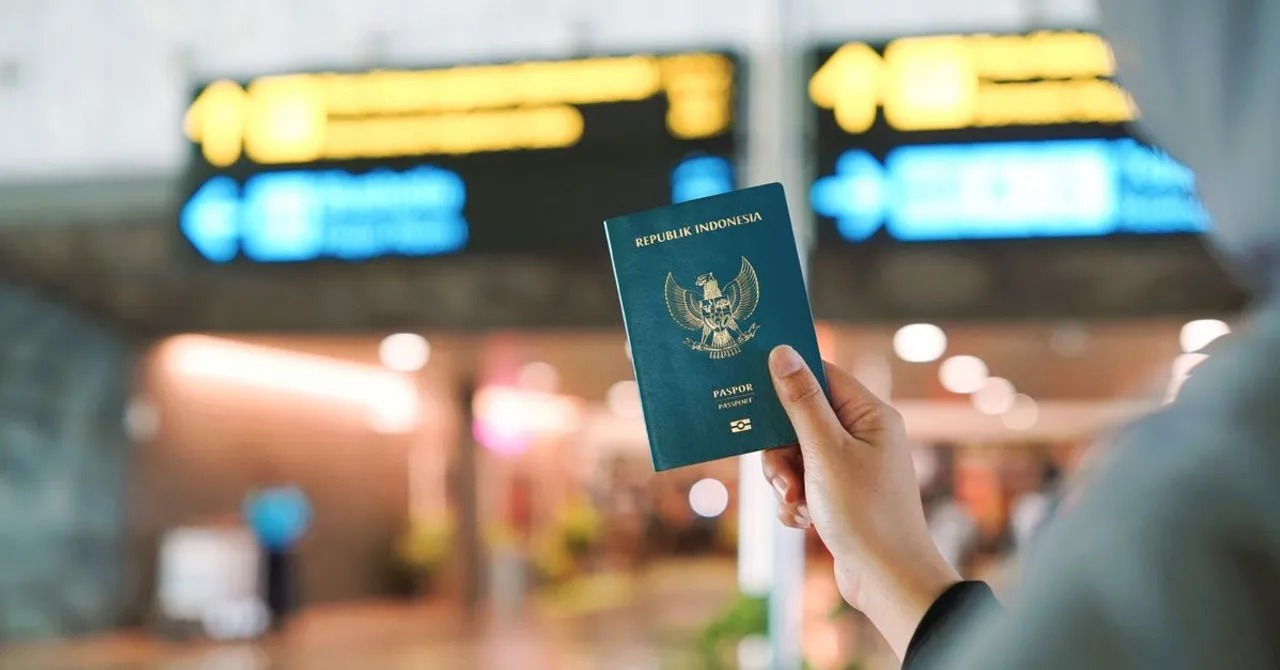
Best eSIM for Thailand: coverage, cost, SIM rules
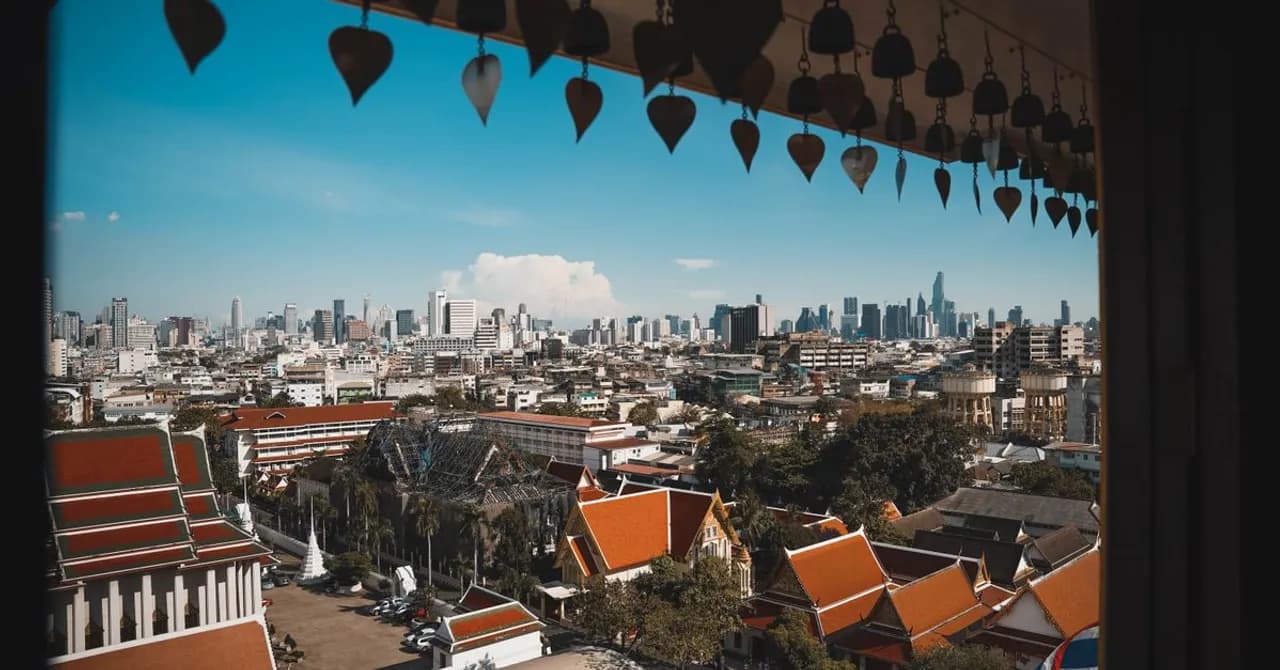
A Thailand eSIM covers Bangkok, Chiang Mai and the islands the moment you land, no passport or face scan required, unlike a local SIM. Budget 6 to 14 GB for one to two weeks: Grab, Google Maps, LINE or WhatsApp, and the beach and market photos that push most travelers past their estimate. Signal thins out on remote islands.
Contents
- Why a travel eSIM is the best option for Thailand
- Thailand's face-scan SIM rule, and why it doesn't touch your eSIM
- What actually eats your data in Thailand
- A realistic one- to two-week budget
- Before you fly, and the moment you land
- Is your phone eSIM-ready?
- The Similan season, and what it means for a liveaboard's connectivity
- Where the signal is strong, and where it thins out
Every prepaid SIM sold in Thailand, tourist or resident, now needs more than a passport to activate. Since 2025 Thai operators have layered live facial verification onto SIM registration under rules from the NBTC, the telecom regulator, cracking down on the scam-call SIMs behind Thailand's mule-account fraud problem. A travel eSIM never touches that process, since it installs on an account you already control, not a counter registration.
Here's what that rule actually requires, a realistic data budget for Bangkok, the north and the islands, and where signal holds once you're away from a tower.
Why a travel eSIM is the best option for Thailand
Roam on your home plan, buy a local SIM, or install a travel eSIM before you go, and for Thailand the eSIM's edge just got bigger. Roaming stays the priciest option by a wide margin over a one- or two-week trip. A local SIM from AIS or True is cheap per gigabyte, but it means finding a counter, handing over a passport, and now passing a live facial scan before the line activates at all. A travel eSIM installs from your sofa over Wi-Fi, keeps your own number live beside it for calls and texts, and rides the same partner networks a local SIM would use. Weighing it up? Read eSIM vs local SIM vs roaming.
Thailand's SIM-registration rules have gotten stricter, not looser. On top of a passport, AIS's own compliance pages describe live facial (liveness) verification now built into registering a SIM under NBTC rules, and AIS is actively pushing existing customers to complete it or risk suspension. A data-only travel eSIM skips all of it, it's tied to the account that bought it, not a walk-up ID or camera check.
Thailand's face-scan SIM rule, and why it doesn't touch your eSIM
The rule exists to stop criminals buying SIMs under stolen identities to run call-center scams and money-mule bank accounts. Buying a physical SIM now means proving you're a live person in front of a camera, not just handing over a passport. If a travel blog still describes a Thai tourist SIM as a five-minute counter job, that advice predates the camera check and is out of date.
None of it applies to a data-only eSIM, because it was never registered as a walk-up SIM in the first place. It installs from a QR code or one-tap link, tied to the account and email address used at checkout, and it's live before you've cleared immigration.
What actually eats your data in Thailand
Three apps dominate a Thailand trip: Grab or Bolt running maps for every ride, LINE or WhatsApp for messages and calls, and the camera, feeding a steady stream of temple, market and beach photos and video. Maps and messaging barely register. It's photo and video sharing, especially from a beach or a night market, that quietly doubles most people's usage.
A realistic one- to two-week budget
Most travelers land between 6 GB and 14 GB for one to two weeks, more if a dive trip or a hotspot-heavy remote-work stint is part of the plan:
- Light (≈4–6 GB): Bangkok or Chiang Mai city days on Grab, LINE and light browsing.
- Typical (≈7–10 GB): the above plus an island leg and the usual beach photo and video backlog.
- Heavy (12 GB+ or unlimited): hotspotting a laptop from a co-working space in Chiang Mai, or a liveaboard week with heavy underwater video uploads once you're back in range.
| Activity | Rough data use |
|---|---|
| Grab/Maps navigation | ~50 MB / day |
| LINE/WhatsApp messaging | ~100 MB / day |
| Social scrolling | ~600 MB / hour |
| HD video streaming | ~1.5 GB / hour |
Before you fly, and the moment you land
Install the eSIM at home on Wi-Fi, it doesn't start the clock. Before you go, file the Thailand Digital Arrival Card, mandatory for every non-Thai traveler since it replaced the old paper TM6 form on 1 May 2025, through the official immigration portal, within three days of arrival so it's done before you're in the queue.
Most international flights land at Suvarnabhumi (BKK) or Don Mueang (DMK) in Bangkok, with Phuket (HKT) and Chiang Mai (CNX) handling most other direct routes. Once you're through immigration, set Zwitchy as your data line and switch on Data Roaming for it (that just means "use the eSIM's partner network," never your home carrier). Unsure on size? Start with 7-8 GB and top up in seconds if you run low.
Is your phone eSIM-ready?
Any eSIM-capable phone works on Thai networks: iPhone XS/XR or newer, Google Pixel 3 and up, and recent Samsung Galaxy flagships. Two catches, the phone must be carrier-unlocked, and it's worth checking Settings → General → About for an available EID before you rely on it. Because the eSIM runs alongside your physical SIM, most travelers leave their home line in for calls and texts and simply select Zwitchy for mobile data.
The Similan season, and what it means for a liveaboard's connectivity
Diving the Andaman Sea usually means a liveaboard out to the Similan or Surin Islands, and both close entirely every year: the 2026 season runs 15 May to 15 October, a closure the Tourism Authority of Thailand's own seasonal-closure notice frames as both a monsoon safety measure and a chance for the reef to recover. Any operator offering a "private" trip during the closure is running it illegally, and coast guard patrols do turn boats around.
Signal itself follows the same pattern as any open-water crossing: solid near Phuket, Khao Lak or Krabi's mainland coast, and gone within a few kilometers of shore, regardless of which network an eSIM rides. Budget on being offline between dive sites and send anything time-sensitive before you leave the dock.
Where the signal is strong, and where it thins out
Bangkok, Chiang Mai, Phuket and Pattaya run dense 4G and 5G on both AIS and True, which between them cover practically the whole country after True's 2023 merger with dtac folded two networks into one. Coverage stays solid in most beach towns and national park visitor centers too. It thins out fast in the deep forest interior of parks like Khao Yai or Doi Inthanon, on long-tail boat crossings between islands, and, as above, on any stretch of open water.
Heading north into Laos or west into Cambodia by land, or south to Malaysia and Singapore? Laos, Cambodia, Malaysia and Singapore each run their own local networks, so each needs its own plan unless a regional Asia plan already covers the route, and the Bangkok-to-Singapore overland guide covers the border crossings for that specific trip. Flying on to China instead, its real-name SIM rules and Great Firewall need their own plan. Staying longer, or want the maths for a different trip length? How much data you need in Thailand breaks it down by week. Ready to pick a size?
Does a Thailand eSIM need a passport or face scan like a local SIM?
No. The passport-and-liveness-scan check applies only to a SIM bought in person from a Thai operator. A travel eSIM installs online and needs nothing more than the email address used at checkout.
How much data do I need for two weeks in Thailand?
Budget 8-10 GB for a typical two-week trip mixing a couple of cities and one island stop, more if a liveaboard or heavy hotspotting is part of the plan. Start there and top up in seconds if you run low.
Will I have signal on a Similan or Surin liveaboard trip?
Rarely, once you're a few kilometers offshore, regardless of which network your eSIM uses. Both marine parks also close entirely from 15 May to 15 October each year, so check the season before booking.
Do I still need to file the Thailand Digital Arrival Card with an eSIM?
Yes. Every non-Thai traveler files it online within three days of arrival, whatever SIM or eSIM they're using for data. It replaced the old paper TM6 form on 1 May 2025.
Which network will my Thailand eSIM use?
One of the country's own partner networks, most likely AIS or True, the two operators that cover practically the whole country. Your phone attaches to whichever is strongest where you're standing.
Is my phone eSIM-compatible for Thailand?
Any eSIM-capable phone works: iPhone XS/XR or newer, Google Pixel 3 and up, and recent Samsung Galaxy flagships, as long as it's carrier-unlocked.
Do I need a Thai phone number for Grab or LINE?
No. Those apps run on mobile data, not a local number, and your usual number keeps working for calls, texts and bank codes if you leave your home SIM in alongside the eSIM.
I'm buying a physical Thai SIM anyway, what should I expect?
Bring your actual passport, not a photo of it, and expect a live facial-verification step at the counter under 2025 NBTC rules, on top of the identity check Thai SIMs have long required.
Popular Thailand eSIM plans
Tap a size to see live Thailand prices and buy in a couple of taps.
Get a travel eSIM for 200+ destinations in under a minute.
Get your Thailand eSIM →