Which countries make you register a SIM?
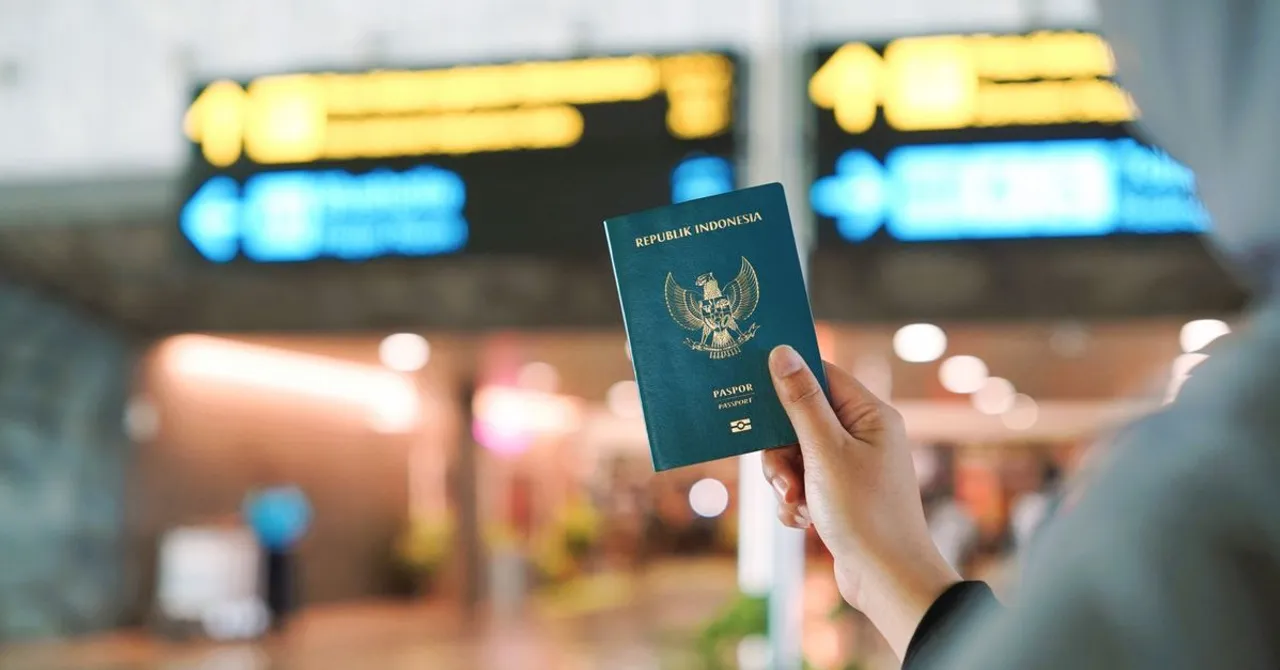
Most of them. The GSMA counted 157 countries requiring ID for a prepaid SIM in 2021, and in 2026 Vietnam, Indonesia and Malaysia tied it to your face. Those rules bind SIMs sold by local carriers. A travel eSIM bought before you fly roams on a partner network, so it sits outside them, though Mexico plans rules for roaming.
Contents
- Which countries make you register a SIM in 2026?
- 2026 is the year the check moved to your face
- Vietnam checks your face again when the SIM changes phones
- Mexico locks every new SIM until a passport is linked to it
- Why a travel eSIM bought at home sits outside these rules
- Where an eSIM does not get you out of registering
- What to carry if you do buy a local SIM
- What happens to your passport data?
- Can someone else register a SIM for you?
- Which is faster at the airport?
- Countries where you can still buy a SIM with no ID
Walk up to a phone counter in most of Asia, Africa or Latin America and the clerk's first question is your passport. That has been true for a decade. What changed in 2026 is what happens next: a camera, a liveness check, and in Vietnam a second check every time the SIM moves to another phone.
Which countries make you register a SIM in 2026?
Registration is the norm, not the exception. In its 2021 survey the GSMA, the mobile industry's association, found that governments of 157 countries mandate prepaid SIM registration, up from 155 a year earlier. It is the latest count the GSMA has published that we could find, so treat it as a floor.
| Country | What a visitor needs for a local SIM | Since | Source |
|---|---|---|---|
| Vietnam | Passport and a face match, repeated when the SIM changes phones | 15 April 2026 | Circular 08/2026/TT-BKHCN |
| Thailand | Original passport and a live face scan | 2025 | NBTC rules |
| Indonesia | Passport, face recognition, phone IMEI registered | 1 July 2026 | Komdigi Regulation 7/2026 |
| Malaysia | Original passport, live biometric check, two SIMs per operator | 26 August 2026 | CelcomDigi terms |
| Philippines | Passport, local address, onward ticket; line ends at 30 days | 2022 | Republic Act 11934 |
| Singapore | Passport; registration lasts 30 days | Long-standing | IMDA, Singtel |
| Taiwan | Passport plus a second ID | Long-standing | Taiwan Mobile |
| Mexico | Passport number linked before the line works | 9 January 2026 | CRT guidelines |
| Japan | Nothing for data-only; passport for voice | Data check due by May 2027 | MIC |
| Germany | Passport or ID check before activation | 2017 | Telecommunications Act, s. 172 |
| UK, United States | Nothing | Not mandated | GSMA |
Four of those rows changed in 2026 alone. The story of this year is not more countries, but a stricter check in the countries that already had one.
2026 is the year the check moved to your face
Registering used to mean a clerk photographing your passport's data page. The new rules add a live face match, usually with a liveness test that asks you to blink or turn your head so that a printed photo cannot pass.
Indonesia made face recognition compulsory for every new mobile number from 1 July 2026, according to the ministry's announcement. Telkomsel says a foreign customer's details must be verified before the line activates, without spelling out how the face check runs against a passport, so allow time.
Malaysia followed on 26 August 2026. CelcomDigi's terms now require live biometric verification for every new prepaid registration, an original ID from anyone without a Malaysian MyKad, and a cap of two SIMs for them. Our Malaysia guide covers the rest.
Thailand got there first, with live facial checks under NBTC rules since 2025; the Thailand guide has the detail. Plans for all three are on the Indonesia, Malaysia and Thailand pages.
Vietnam checks your face again when the SIM changes phones
Vietnam goes one step further, and it is the rule most likely to catch a traveller mid-trip. Circular 08/2026/TT-BKHCN took effect on 15 April 2026 and requires every line, passport-registered ones included, to be matched to its owner's face.
Its Article 8 applied from 15 June 2026. When a carrier detects that a SIM has moved to a different handset, it has two hours to suspend outgoing calls and texts until the owner re-verifies, as the government's news portal explains. Incoming calls, texts and data keep working, and after 30 days without a re-check the line is cut both ways.
That matters on the day your phone dies, gets stolen or goes in the sea. Put the Vietnamese SIM in a borrowed phone and the outgoing half of the line stops within two hours, so redo the face check in the carrier's app straight away.
A travel eSIM is not a Vietnamese subscriber line, so Article 8 does not reach it. Moving one is a separate question, covered in how to transfer an eSIM to a new phone. Plans are on the Vietnam page.
Mexico locks every new SIM until a passport is linked to it
Mexico changed the most this year, and it is the one place where the fine print mentions roaming. The regulator, the CRT, published its line-identification guidelines on 9 December 2025, and linking every mobile line to a named holder started on 9 January 2026.
For a visitor, Article 12 is the one that matters. Any SIM or eSIM sold in Mexico reaches only emergency numbers and the operator's helpline until it is linked, and Article 20 accepts a passport as a foreigner's ID. Existing lines have a deadline by the last digit of the number, running from August to December 2026.
Then there is the clause most travel advice has missed. The ninth transitional article says that once the 2026 World Cup is over, the CRT will define how lines using international roaming in Mexico are to be linked. The tournament ended in July, and as of 25 September 2026 we could find no published mechanism.
On 14 September 2026 the CRT also warned residents that foreign eSIMs are no way around registration, noting that wholesale agreements prohibit permanent roaming. So a travel eSIM bought before you fly connects in Mexico with nothing to link today, and this is the country to recheck before your next trip.
Why a travel eSIM bought at home sits outside these rules
Every one of these laws is written for a country's own carriers. The Philippines' SIM Registration Act binds Philippine carriers, and the word roaming never appears in it, as our Philippines guide explains.
Japan's telecoms ministry puts it most plainly. Its Q&A on the mobile ID law says a SIM issued by an overseas operator is not covered unless it is a SIM provided by a Japanese carrier, even when it is used in Japan through roaming. The same Q&A tells Japanese carriers how to check a foreigner who orders their SIM from abroad.
The rule of thumb: what decides registration is who issues the SIM, not where you bought it or whether it is plastic. A SIM or eSIM from a carrier in the country you are visiting falls under its law. A travel eSIM issued elsewhere connects as a visiting roamer, like your home SIM, so there is no local carrier to register you with.
That is why a data-only travel eSIM needs nothing but an email address at checkout. It is also why it gives you no local phone number: it is a visitor's data connection, not a local line.
Where an eSIM does not get you out of registering
"eSIMs are exempt from SIM registration" is not true as a blanket rule. Four cases break it.
- Local carriers' tourist eSIMs are local lines in a new format. Singtel's hi!Tourist eSIM notes that calls and SMS may need to be enabled at a retailer with passport verification.
- Some countries register the phone rather than the line. Türkiye gives a handset brought from abroad 120 days, as the Türkiye guide explains.
- A country can leave your eSIM alone and block the shop that sells it. Countries where you cannot buy an eSIM on arrival lists them, Russia included.
- Some rules are still being written. Besides Mexico, Japan's amended law, promulgated on 29 May 2026, adds an ID duty for data-only SIMs within a year, and whether it will reach a foreign eSIM is undecided.
What to carry if you do buy a local SIM
If you need a local number for a wallet, a bank or a landlord who only texts, registration is the price of entry. Bring the right things and it stays a ten-minute errand.
- Your original passport. Thailand and Malaysia want the document itself, not a photo of it.
- A second ID in Taiwan, such as a visa or an international driving licence; the Taiwan guide lists what counts.
- A hotel booking and an onward ticket in the Philippines, where both are written into the law.
- An unlocked phone, plus time to register its IMEI at the counter in Indonesia.
- Your passport-photo face: hat and sunglasses off for the camera step.
What happens to your passport data?
The carrier keeps it, usually because the law says so. Mexico's guidelines list what an operator records for a foreigner: name, country of origin, passport number and phone number. Where face checks apply, your image is matched against government records.
Protection varies. The same 2021 GSMA survey found that 37 per cent of countries mandating registration had no or inadequate data protection laws. Hand the passport over for the scan, watch what is copied, and take it back.
Can someone else register a SIM for you?
Not where a face check is involved, which is now most of Southeast Asia: the passport holder has to be there. Where it is only a document check, a partner can buy a line on their own passport, but it is then legally theirs and counts against their limit.
A pre-registered SIM from a street seller is the version to avoid. In Vietnam, a line registered to someone else stops making calls the first time it moves to a new phone, because you cannot pass a check on another person's face.
Which is faster at the airport?
The travel eSIM, by the length of a queue. Installed at home, it connects when you switch off airplane mode. A local SIM means finding the counter, waiting behind the last flight, handing over your passport and, in 2026, standing still for the camera.
The local SIM still wins on a local number and often on price per gigabyte. eSIM vs local SIM vs roaming in 2026 weighs that trade with carrier prices.
Countries where you can still buy a SIM with no ID
Fewer than you would think. The GSMA names the UK, the United States and the Czech Republic as governments that decided against mandating registration, where a prepaid SIM can be activated just by buying credit.
Japan counts for now: a data-only SIM needs no ID until the amendment takes effect, by May 2027, as the Japan guide tracks. Europe is mixed. Germany has required an ID check on every prepaid SIM since 2017, so never assume a European SIM is a cash sale.
Browse travel eSIM plans →Do I need to register a travel eSIM with my passport?
Not one issued outside the country you are visiting. Registration laws bind local carriers, and a travel eSIM connects as a visiting roamer, so checkout needs only an email address. A tourist eSIM sold by a local carrier is different: it is a local line.
Which countries need a face scan to buy a SIM card?
As of September 2026: Thailand since 2025, Vietnam since 15 April 2026, Indonesia for every new number since 1 July 2026, and Malaysia for new prepaid lines since 26 August 2026. The scan is matched against your passport.
What happens if I put my Vietnamese SIM in another phone?
Since 15 June 2026 the carrier has two hours to suspend outgoing calls and texts until you re-verify your face in its app or at a store. Incoming calls, texts and data keep working. After 30 days without a re-check, the line is cut both ways.
Do tourists have to register their phone in Mexico?
A Mexican SIM or eSIM, yes: it only reaches emergency numbers until it is linked to your passport. Roaming lines are not covered yet. The CRT says it will define a mechanism for them after the 2026 World Cup, and as of 25 September 2026 none has been published.
Can my partner buy a SIM for me on their passport?
Only where there is no face check, and the line is then legally theirs. In Thailand, Vietnam, Indonesia and Malaysia the person on the passport has to be there for the scan.
Which countries let you buy a SIM without ID?
The GSMA names the UK, the United States and the Czech Republic as countries that chose not to mandate registration. Japan sells data-only SIMs with no ID until its amended law takes effect, by May 2027. Most other popular destinations now ask for a passport.


