Best eSIM for Venezuela: coverage from Caracas to Los Roques
Budget 3–5 GB for a Caracas stay, 6–9 GB with a Los Roques or Mérida side trip, and 12 GB or more if you stream or hotspot. Movistar, Digitel and Movilnet cover the cities well; coverage thins fast on the Caribbean cays and in the high páramo.
Contents
Venezuela packs a startling range of geography close together: Caracas sits in a mountain valley at nearly 900 meters, a short but steep climb over the coastal range from its sea-level airport, the Andes rise further west around Mérida, home to the country's highest peaks and its páramo grasslands, and just off the central coast, the coral cays of the Los Roques archipelago sit in some of the clearest water in the Caribbean. Deep in the southeast, the tepuis and waterfalls of Canaima National Park, including Angel Falls, the world's tallest waterfall, sit hours from the nearest paved road. Connectivity follows the same pattern: strong in the cities, patchy the moment you leave them. Here's which networks reach furthest, a realistic data budget, and where the signal actually goes quiet.
Why a travel eSIM is the best option for Venezuela
Roam on your home plan, buy a local SIM, or install a travel eSIM before you go, and for Venezuela the eSIM usually wins on convenience. Roaming from outside Latin America is typically the most expensive option per gigabyte. A local SIM from Movistar, Digitel or state-run Movilnet, the three national operators licensed by CONATEL, Venezuela's telecommunications regulator, means finding a store, showing ID, and swapping out your home SIM, which leaves your own number dark for bank codes and messaging apps while it's out of the phone. A travel eSIM installs from home, keeps your own number live beside it, and rides the same partner networks a local SIM would. Weighing it up? See eSIM vs local SIM vs roaming or compare the real costs.
What actually eats your data in Venezuela
Three things dominate a Venezuela trip: WhatsApp, which doubles as the default channel for everything from taxi bookings to paying a street vendor and is effectively unavoidable, maps and navigation, essential for the mountain highway between the airport and Caracas or for finding your way around Mérida's grid, and ride-hailing apps like inDrive and Ridery, generally the safer way to get around Caracas over hailing a cab off the street. Photos and video add up fast too, especially the turquoise-water shots from a Los Roques day trip or the tepuis and waterfalls of Canaima. Messaging and maps stay light; it's video, and a full day of ride-hailing and delivery apps running in the background, that quietly does most of the damage.
A realistic one- to two-week budget
Most travelers land between 4 GB and 8 GB for a week or two, more if the trip adds a Los Roques or Andes side trip. Use this as a guide:
- Light (≈3–5 GB): a Caracas city stay, maps + messaging + evening Wi-Fi at the hotel.
- Typical (≈6–9 GB): Caracas plus a few days in Los Roques or Mérida, all-day Maps and ride-hailing, social posting.
- Heavy (12 GB+ or unlimited): you stream, hotspot a laptop, or post stories all day between stops.
| Activity | Rough data use |
|---|---|
| Maps & navigation | ~50 MB / day |
| Translate (camera mode) | ~100 MB / day |
| Messaging + photos | ~150 MB / day |
| Social scrolling | ~600 MB / hour |
| HD video streaming | ~1.5 GB / hour |
Before you fly, and the moment you land
Install the eSIM at home on Wi-Fi, it doesn't start the clock. Nearly every international arrival lands at Simón Bolívar International Airport in Maiquetía, on the coast about 21 km, and one steep mountain highway, from Caracas itself, so having a plan already installed means one less thing to sort out before the drive up into the valley. With a travel eSIM there's nothing to hunt for on arrival: set Zwitchy as your data line and switch on Data Roaming for it (that just means "use the eSIM's partner network," never your home carrier), and you'll be online before you're through customs. Unsure on size? Start with 5–6 GB and top up in seconds if you run low.
Is your phone eSIM-ready?
Any eSIM-capable phone works on Venezuela's networks: iPhone XS/XR or newer, Google Pixel 3 and up, and recent Samsung Galaxy flagships. Two catches, the phone must be carrier-unlocked, and it's worth checking Settings → General → About for an available EID before you rely on it. Because the eSIM runs alongside your physical SIM, most travelers leave their home line in for calls and texts and simply select Zwitchy for mobile data, there's no dual-SIM juggling once it's set up, and you can switch back to your home data at any time with a tap.
Where you'll lean on data most
Caracas, Valencia, Maracaibo and Barquisimeto carry solid 4G on Movistar and Digitel, with 5G now live in pockets of Caracas, while Movilnet's coverage runs a step behind both on data speed. Cities are where you'll spend most of your data too, hotel Wi-Fi covers the rest.
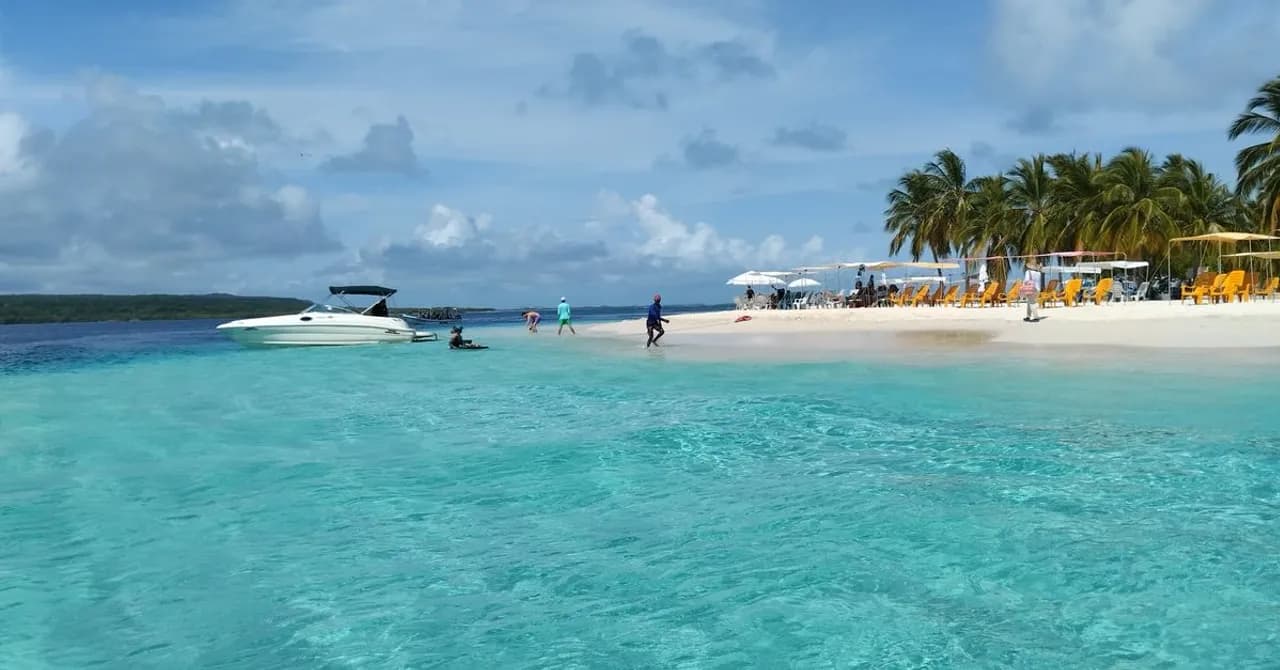
Coverage thins fast once you leave the mainland or the main roads. Out on the Los Roques archipelago, a protected marine national park managed by INPARQUES, Venezuela's national parks institute, signal generally holds up around Gran Roque village and drops off completely the moment a boat clears the harbour for one of the outer cays. The Andes around Mérida keep a decent signal in town and along the main valley road, but it fades fast on a páramo hike above the tree line. Furthest out, the tepuis and waterfalls of Canaima National Park sit deep in remote jungle with essentially no signal at all once you're off the boat routes. Download offline maps before a cay-hopping day or a Canaima trip, and let anyone waiting on you know you might be quiet for a while.
Combining Venezuela with a wider trip? The same eSIM can carry you west into Colombia, covered in our Colombia guide, south into Brazil or Guyana, or across the water to Trinidad and Tobago, see our Trinidad and Tobago guide. Our South America guide covers the wider region. Ready to pick a size?
Which networks does a travel eSIM use in Venezuela?
Zwitchy's Venezuela plans ride the country's major partner networks, the same ones Movistar and Digitel customers use, so coverage matches what a local SIM would get.
Will my eSIM work on a Los Roques day trip?
It'll work around Gran Roque village, but expect no signal at all once a boat leaves the harbour for one of the outer cays, that's a coverage gap, not a plan problem. Download offline maps first.
Do I need a local number for ride-hailing apps like inDrive or Ridery in Caracas?
No. A travel eSIM gives you the mobile data these apps need to run; you don't need a Venezuelan phone number to use them.
How much data do I need for a trip that includes Caracas and Los Roques?
Budget toward 6–9 GB for one to two weeks. Photo and video use climbs fast on the cays, so lean toward the higher end if a Los Roques stop is on the itinerary.
Will my eSIM work while hiking in the Andes around Mérida?
Coverage holds up in Mérida town and along the main valley road, but it fades fast above the tree line on a páramo hike, that's terrain, not a plan issue.
Is my phone eSIM-compatible for Venezuela?
Any eSIM-capable phone works, iPhone XS/XR or newer, Google Pixel 3 and up, and recent Samsung Galaxy flagships, as long as it's carrier-unlocked.
Popular Venezuela eSIM plans
Tap a size to see live Venezuela prices and buy in a couple of taps.
Get a travel eSIM for 200+ destinations in under a minute.
Get your Venezuela eSIM →

