How eSIMs actually work, and why they’re safer than a plastic SIM
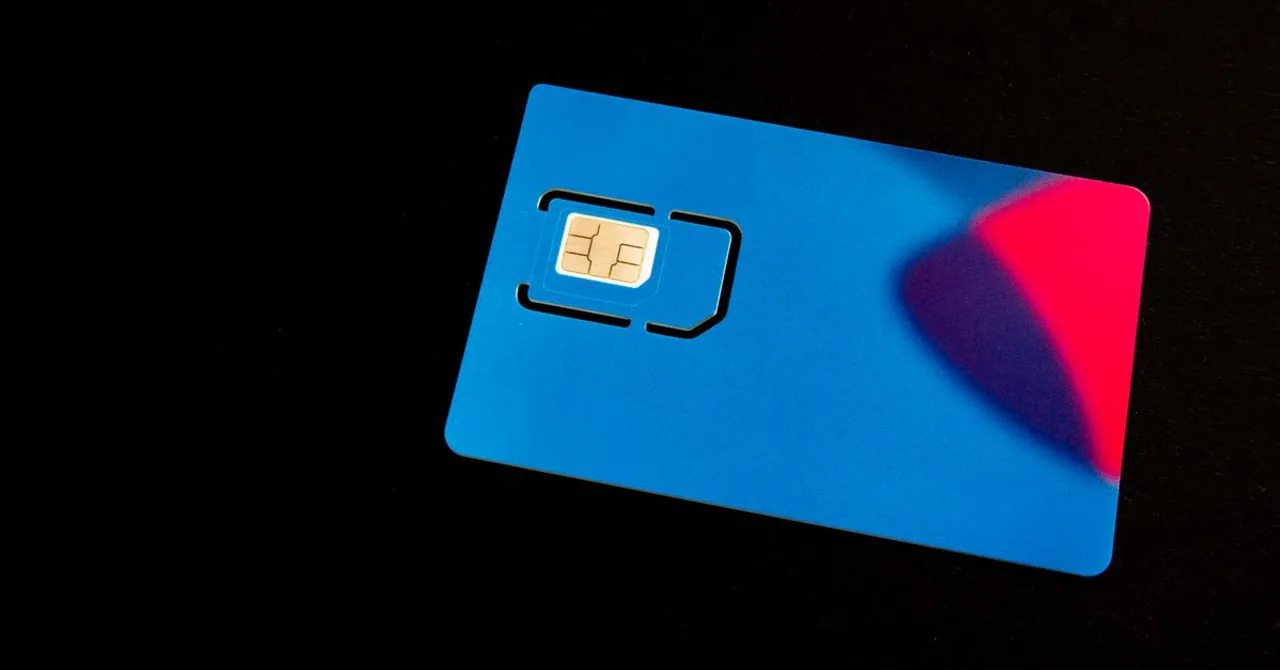
An eSIM is a reprogrammable chip soldered into your phone at the factory. The QR code doesn't download an app, it points the phone at an encrypted profile holding your network credentials, over a secure channel defined by the GSMA standard. Nothing is removable, so a thief can't pull the chip out and reuse it.
Contents
“eSIM” gets thrown around a lot, but it’s rarely explained properly. Once you understand what’s actually happening, the whole thing stops feeling like magic and starts feeling obviously better than the plastic card it replaces. This is a plain-English tour of how eSIMs work, what the QR code does, what a “profile” is, and why a SIM you can’t physically remove is genuinely harder to steal or abuse.
What an eSIM really is
The “e” stands for embedded. An eSIM is a small, reprogrammable chip soldered into your phone at the factory. A traditional SIM is a removable card that stores one carrier’s identity; an eSIM is hardware that can hold several carrier identities and switch between them in software. So instead of swapping cards, you download a new identity onto the chip that’s already there.
What the QR code actually does
When you buy a travel eSIM, you get a QR code. Scanning it doesn’t download an app or a file you can lose, it tells your phone where to fetch an eSIM profile: a small, encrypted package containing the credentials that let you connect to a network. Your phone downloads that profile straight onto the embedded chip. The whole exchange takes a few seconds and happens over a secure channel defined by the global GSMA standard that all carriers follow.
What a “profile” is
A profile is just one carrier identity living on the chip. Your phone can store multiple profiles, your home carrier and a travel eSIM, for instance, and you choose which is active for data and which handles calls. That’s how dual-SIM works without a second card slot. Activating a profile doesn’t use data or start any clock on its own; it’s installed and waiting until you switch it on.
From tap to connected: the full journey
Put together, here’s what happens end to end:
- You buy a plan and instantly receive a QR code by email, no shipping, no waiting.
- You scan it on Wi-Fi, ideally before you travel. The encrypted profile downloads onto your embedded chip.
- The profile sits dormant. It doesn’t use data or start your plan’s validity until you activate it.
- On arrival you set the eSIM as your data line and enable roaming for it; it connects to a local partner network in under a minute.
- Run low and you top up in two taps, the new data attaches to the same profile, with nothing to reinstall.
Why an eSIM is safer than a plastic SIM
Security is where eSIMs quietly win. A physical SIM is the weak link in a stolen phone: a thief pops it out, slots it into another handset, and can receive your calls and intercept your SMS two-factor codes. You can’t pop out an eSIM. There’s no tray to pry open, nothing to physically remove and reuse. The profile is bound to the device’s secure hardware and protected by the operating system, so a stolen phone can’t simply have its “SIM” transplanted.
Because an eSIM can’t be physically removed, a thief can’t pull your SIM to hijack your number and intercept SMS codes, a common trick with plastic cards. The eSIM stays locked to your phone.
eSIM vs physical SIM, side by side
| eSIM | Plastic SIM | |
|---|---|---|
| Get connected | Scan a QR, seconds | Order/buy, swap card |
| Carry anything? | Nothing, it’s built in | A card + a pin tool |
| Lose or damage it? | Can’t, it’s embedded | Easily lost or snapped |
| Multiple plans | Several profiles at once | One card at a time |
| If your phone is stolen | Can’t be removed/reused | Pulled and abused easily |
| Switch plans | In software, instantly | Physically swap the card |
A couple of myths, cleared up
Two things people assume that aren’t true: first, an eSIM does not track you any more than a normal SIM, it’s the same kind of network credential, just delivered digitally. Second, installing an eSIM doesn’t weaken or replace your existing SIM; the two coexist, and you can remove a travel profile any time without affecting your home line. There’s also no “using it up” by installing early, a dormant profile costs you nothing.
Why this matters for travel
All of this adds up to a better travel experience: you arrive already holding your connectivity, you carry nothing extra, you can’t lose the “card”, and your number is harder to hijack. Pair that with paying once upfront for exactly the data you need, and topping up in seconds if you run low, and the plastic SIM kiosk at the airport starts to look like a relic.
Wondering about other devices? See whether you can use one eSIM on two devices and how to get your iPad, tablet or laptop online abroad.
See where eSIMs work →

