Japan eSIM


Visiting more than Japan?
Add your other stops and we check whether one regional eSIM costs less.
Manage your eSIM from your phone
Check how much data is left, top up in seconds and keep every eSIM you buy in one place.


How your eSIM works
See setup steps →Japan: eSIM vs roaming
See how a whole Japan eSIM plan compares with a typical day of carrier roaming.
Roaming rate is an approximate mainstream day-pass price shown for comparison only — your own carrier's charges may differ.
Mobile networks in Japan
Good to know in Japan
- Networks
Four networks
Japan has four mobile networks: NTT docomo, au (KDDI), SoftBank and Rakuten Mobile. Signal in the mountains can be seasonal: on Mount Fuji, docomo covers the climbing trails, but the summit only gets service during the summer climbing season.
- Wi-Fi
Free Wi-Fi backup
The free Japan Wi-Fi auto-connect app, promoted by Japan's national tourism organization, signs you in to free hotspots at airports, train stations, convenience stores and cafes after a single sign-up.
- Messaging
LINE, not WhatsApp
LINE is the messenger used by the vast majority of people in Japan, older generations included, according to the communications ministry. If you'll be meeting locals, install it before you go.
- Alerts
Disaster alerts
The government's free Safety tips app pushes earthquake, tsunami, heavy rain and volcano warnings to visitors in English and other languages.
- Emergencies110Police119Fire or ambulance050-3816-2787Japan Visitor Hotline
For any other help, the hotline answers in English around the clock.
Travelling beyond Japan?
Regional & global eSIMs that also cover Japan on one plan.
One eSIM for the whole trip — premium tier-1 networks across the globe.
 Afghanistan
 Albania
 Algeria
 Andorra
 Anguilla
One eSIM across 26 countries — no SIM swaps at the border.
Afghanistan Armenia
 Azerbaijan
 Bangladesh
 Cambodia
What the first five minutes look like
Pick a row, watch the phone.
Questions about Japan?
Everything you need to know before you buy.
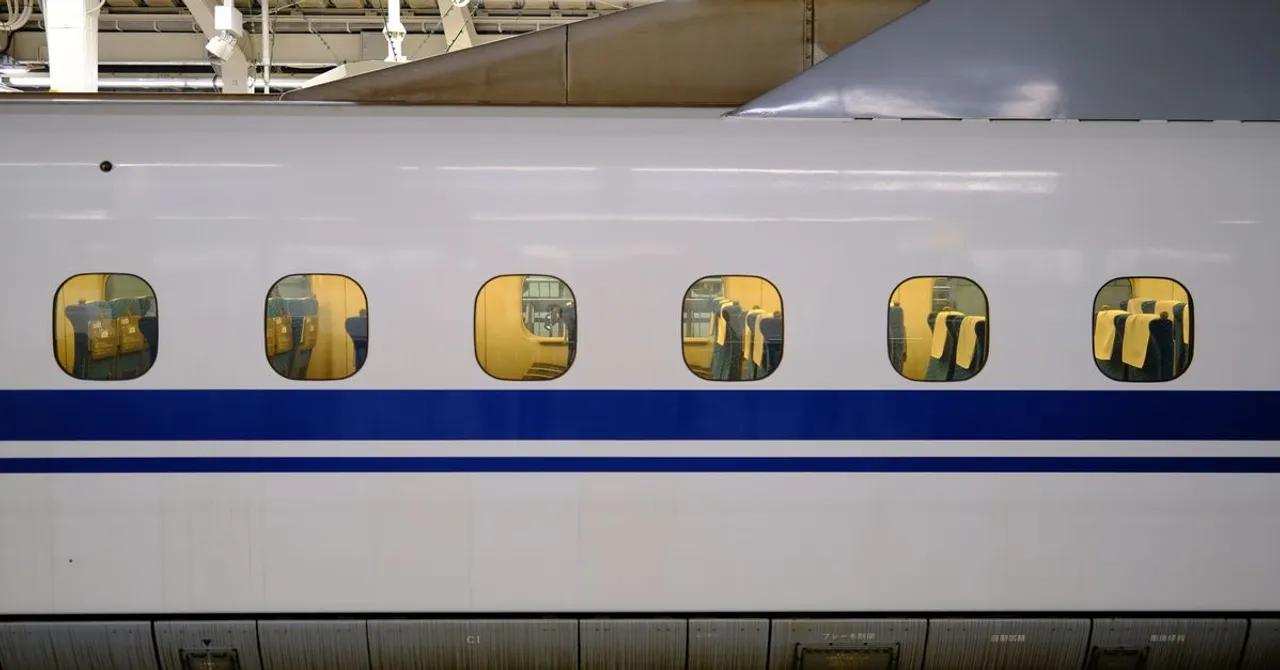
Your Japan eSIM connects automatically to NTT Docomo, SoftBank, and au (KDDI), switching to the strongest available signal. Excellent nationwide coverage, including on the Shinkansen and metros.
 Indonesia
 Singapore
 Thailand
 Bhutan