Best eSIM for Sweden: coverage, cities to Lapland
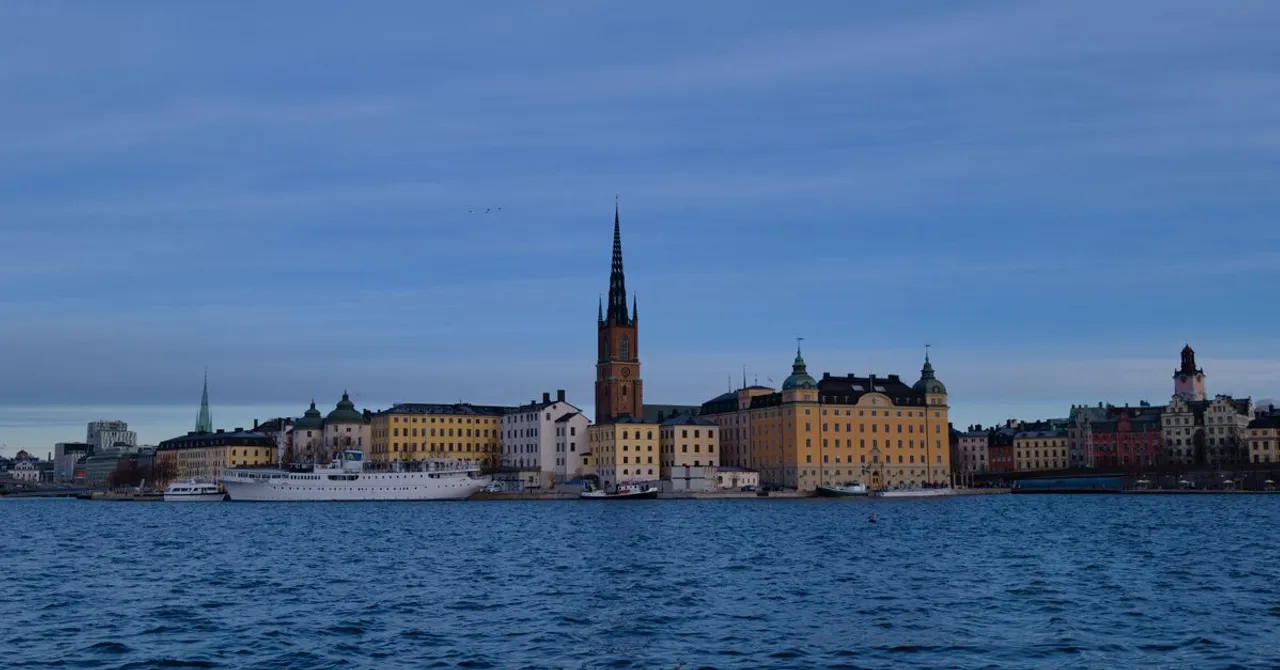
Sweden's south, Stockholm, Gothenburg and Malmö, runs on dense, modern 4G/5G with almost no dead zones. Budget 4 to 7 GB for a one to two week trip. Push north into Swedish Lapland for the Northern Lights or the Kungsleden trail and coverage genuinely thins across the fells, so budget more and download offline maps first.
Contents
Sweden splits neatly into two very different trips. The south, a triangle of Stockholm, Gothenburg and Malmö linked by fast SJ trains and barely two hours apart, is one of Europe's most densely networked corners: 4G and 5G reach almost everywhere you'll actually go, from Stockholm's 30,000-island archipelago to Malmö's short train ride across the Öresund Bridge into Denmark. Head north past the Arctic Circle into Swedish Lapland, Kiruna, Abisko, the Kungsleden trail, and the picture changes: forests and fells stretch for hundreds of kilometers between towns, and that's exactly where a data budget needs rethinking. Here's a realistic plan for both halves of the country.
Why a travel eSIM is the best option for Sweden
Roam on your home plan, buy a local prepaid SIM, or install a travel eSIM before you go, and for most visitors the eSIM wins on convenience, with one real exception. If you live in the EU or EEA, "roam like at home" rules already bundle EU/EEA data into your regular plan at no extra cost, Sweden included, up to your plan's fair-use limit. That protection stops at the EU/EEA border though: it covers the 27 EU countries plus Iceland, Liechtenstein and Norway, not the UK, the US, Canada or anywhere in Asia or Australia. Coming from outside that zone, or planning to blow past your home plan's fair-use cap on a longer trip, roaming is the priciest of the remaining options by a wide margin. A local prepaid SIM, a kontantkort, is cheap per gigabyte, but Swedish law has required ID verification for every prepaid card since August 2022, which for a foreign visitor without a Swedish personnummer or BankID means registering in person with a passport at a carrier store or a kiosk like Pressbyrån. A travel eSIM installs from home over Wi-Fi, keeps your own number live for calls and texts, and rides the same networks a local SIM would use. Weighing it up? See eSIM vs local SIM vs roaming.
Already on a home EU/EEA plan? Check its fair-use data cap before you rely on it alone for a longer Sweden trip, "unlimited" EU roaming is still capped under the fair-use rules that make Roam Like at Home possible, and running out mid-trip means falling back to Swedish roaming rates. A travel eSIM sidesteps that entirely with its own separate allowance.
What actually eats your data in Sweden
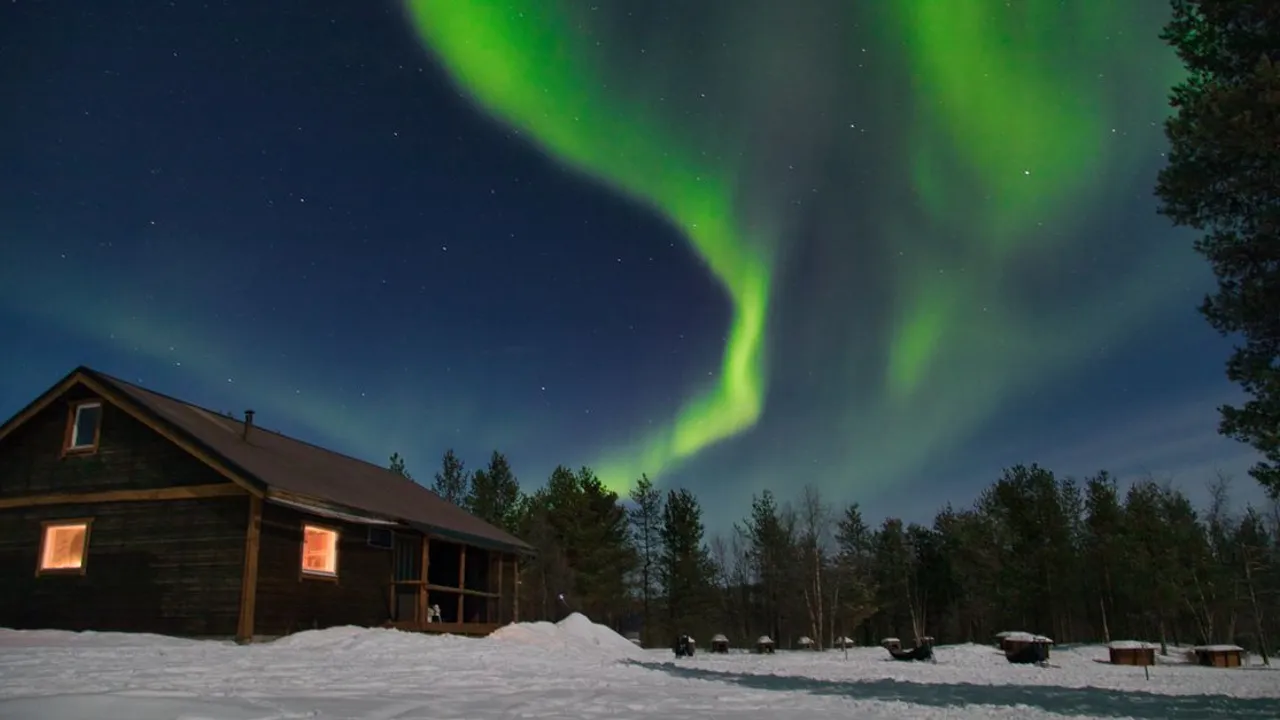
Three things dominate a Sweden trip: Google Maps, for threading Stockholm's islands by ferry, the E4 and E45 highways north, or a hiking trail like the Kungsleden where the trailhead itself can be an hour from the nearest town; messaging apps for keeping in touch and booking tables, since almost every Swedish business takes card and app payments over cash; and photos and video, the Stockholm archipelago's 30,000 islands, Gothenburg's canals, and above all the Northern Lights over Abisko or Kiruna between September and March pull out phones constantly. Maps and messaging are both light; it's the photo and especially video from a long aurora session that quietly pushes people over their estimate.
A realistic one- to two-week budget
Most travelers land between 3 GB and 8 GB for one to two weeks, and which end you land on depends on how much time you spend north of the Arctic Circle. Use this as a guide:
- Light (≈3–4 GB): Stockholm, Gothenburg and Malmö on Maps, messaging and normal browsing, no Lapland leg.
- Typical (≈5–7 GB): the above plus a few days in Swedish Lapland, regular aurora and archipelago photo and video sharing.
- Heavy (8 GB+ or unlimited): you hotspot a laptop to back up photos, or a multi-day trek on the Kungsleden.
| Activity | Rough data use |
|---|---|
| Maps & navigation | ~50 MB / day |
| Messaging + photos | ~150 MB / day |
| Social scrolling | ~600 MB / hour |
| HD video streaming | ~1.5 GB / hour |
Before you fly, and the moment you land
Install the eSIM at home on Wi-Fi, it doesn't start the clock. Most international arrivals land at Stockholm Arlanda Airport (ARN), with Gothenburg Landvetter and Copenhagen Airport, a short train and bridge crossing from Malmö, handling much of the rest. Once you're through immigration, set Zwitchy as your data line and switch on Data Roaming for it (that just means "use the eSIM's partner network," never your home carrier). You'll be online before the Arlanda Express or airport bus reaches the city. Unsure on size? Start with 5-6 GB and top up in seconds if you run low.
Is your phone eSIM-ready?
Any eSIM-capable phone works on Swedish networks: iPhone XS / XR or newer, Google Pixel 3 and up, and recent Samsung Galaxy flagships. Two catches, the phone must be carrier-unlocked, and it's worth checking Settings → General → About for an available EID before you rely on it. Because the eSIM runs alongside your physical SIM, most travelers leave their home line in for calls and texts and simply select Zwitchy for mobile data.
Where the signal is strong, and where it thins
Telia, Tele2, Telenor and Tre all run modern networks across Sweden now: Telenor and Tele2 finished shutting down their 2G and 3G networks in December 2025, and Tre, which never ran 2G, retired 3G the same month; Telia alone is keeping a legacy 2G network running until the end of 2027. In the south, Stockholm, Gothenburg, Malmö and the towns between them, that means dense, fast 4G and 5G everywhere you're likely to go: cafés, trains, the archipelago ferries, all of it.
North of the Arctic Circle the picture is genuinely different. Kiruna and Abisko themselves have solid coverage, but the fells and forest between them, and long stretches of the Kungsleden trail and the Inlandsbanan railway, sit well outside any tower's reach. That's the wilderness itself, not a network gap specific to one carrier, so download offline maps before a multi-day trek and don't count on a signal to call ahead for a mountain cabin booking.
Continuing on to Norway, Denmark, Finland or a Ring Road loop through Iceland? All four run on their own local networks, so each needs its own plan unless a regional Europe plan already has you covered, our Eurotrip guide runs the numbers for a longer Nordic or continental loop. Ready to pick a size?
Do I need a Swedish SIM if I'm visiting from another EU country?
Probably not for a short trip. EU/EEA "roam like at home" rules already bundle Sweden into most home plans at no extra cost, up to your plan's fair-use data cap. A travel eSIM is worth it if you'd blow past that cap, or if you're coming from outside the EU/EEA, including the UK, where roam-like-home doesn't apply.
Will my eSIM work on the Kungsleden trail or elsewhere in Swedish Lapland?
In towns like Kiruna and Abisko, yes. On the trail itself and in the fells between them, coverage genuinely drops out, that's the wilderness, not a plan limitation. Download offline maps before you set out.
Do I need ID to use a data eSIM in Sweden?
No. A data-only eSIM like this one installs and activates without any in-person ID check, checkout just needs an email address for delivery. A local prepaid SIM is the one that requires passport verification in person, Swedish law has required it since August 2022.
How much data do I need for a week combining Stockholm and Swedish Lapland?
Budget 5–7 GB: a couple of gigabytes for maps, messaging and ferries in Stockholm, the rest for the aurora and fell photos and video most travelers shoot once they're north.
Is my phone eSIM-compatible for Sweden?
Any eSIM-capable phone works, iPhone XS/XR or newer, Google Pixel 3 and up, and recent Samsung Galaxy flagships, as long as it's carrier-unlocked.
Which network will my eSIM use in Sweden?
Zwitchy's Sweden plan rides the country's modern partner networks, all now running 4G and 5G nearly everywhere south of the Arctic Circle, with coverage naturally thinning in Lapland's fells and forests.
Popular Sweden eSIM plans
Tap a size to see live Sweden prices and buy in a couple of taps.
Get a travel eSIM for 200+ destinations in under a minute.
Get your Sweden eSIM →

