Travel guides
Connectivity tips, country deep-dives, and how to travel data-light.
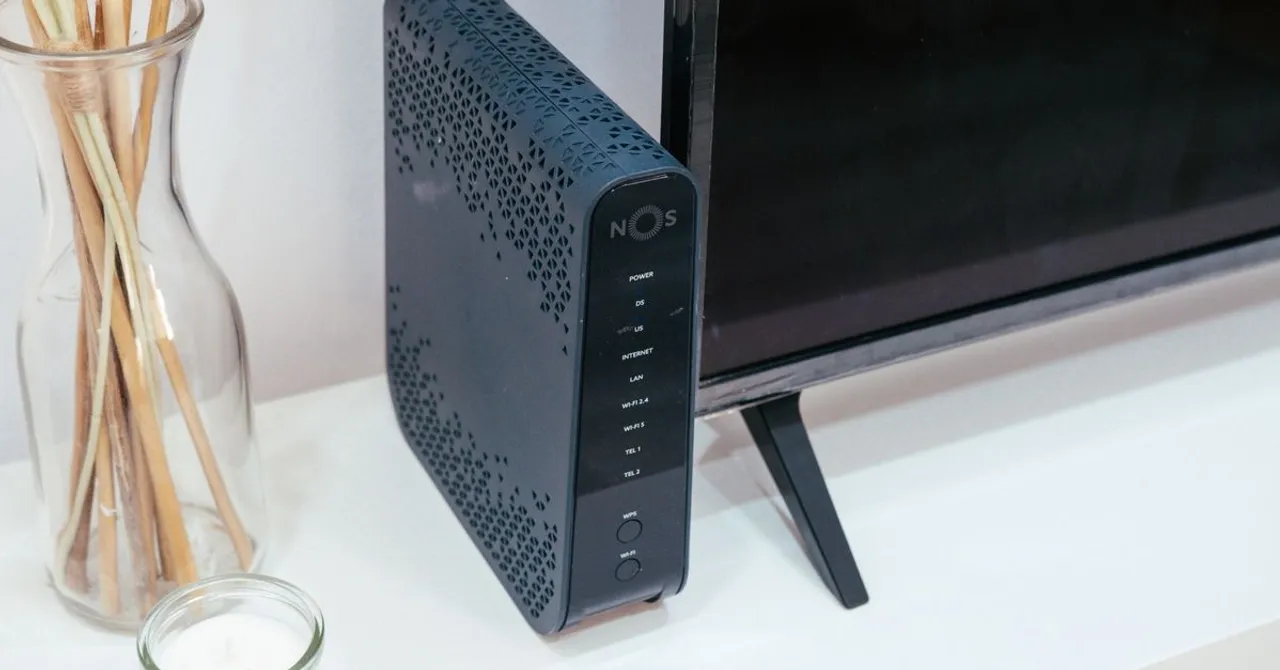
Renting a pocket Wi-Fi versus using a travel eSIM: the honest comparison on cost, hassle, battery and sharing, and the one case where pocket Wi-Fi still wins.

A realistic, activity-by-activity breakdown of how much data video, maps, music and calls really use, so you can right-size your travel eSIM.

Regional plans, monthly top-ups and a dual-SIM home line, the connectivity setup that holds up for weeks or months of nomad life and remote work.
What to download on home Wi-Fi before you fly: offline maps, translation packs, boarding passes and shows, so you use less data when signal drops.
EID and ICCID sound alike but mean different things. Learn what each number is, exactly where to find it on iPhone and Android, and when support asks for one.

"Unlimited" rarely means infinite. Here's how high-speed allotments, throttling and fair-use caps really work, and what to check before you buy.
You can't run one eSIM on two phones at once, but you can share its data. Here's how tethering works, and when a second eSIM makes more sense.

Zwitchy travel eSIMs run on phones, not iPads, tablets or laptops. The simple, cheaper fix: share your phone's connection over Personal Hotspot.
US iPhone 14, 15 and 16 models are eSIM-only, with no SIM tray. What it means for travelers, how dual eSIM works, and why a Zwitchy eSIM fits perfectly.

5G on a travel eSIM works where the local network has it: dense in cities, thinner in the countryside. What really affects speed, and when good 4G is enough.

A travel eSIM only installs on a carrier-unlocked phone. How to check your iPhone or Android in a minute, spot a lock, and get unlocked before you travel.
Running low or out of data on your trip? A Zwitchy top-up puts you back online in seconds, on the same eSIM with no new QR code. Plus how to dodge roaming.