Travel guides
Connectivity tips, country deep-dives, and how to travel data-light.

Egypt registers every SIM to a named person and taxes phones brought in from abroad. What that means for a visitor, plus coverage and a real data budget.

Türkiye blocks a foreign handset 120 days after you enter, and 5G only arrived in 2026. What that means for a visitor, plus coverage and a real data budget.

Since 2025 a Thai SIM needs a face scan, not just a passport, before it activates. A travel eSIM skips both. Coverage, cost and a realistic data budget.

Local SIMs need a passport, a fingerprint scan and a 60-day PTA clock. A travel eSIM skips all three. Coverage and data budgets from Karachi to Hunza.
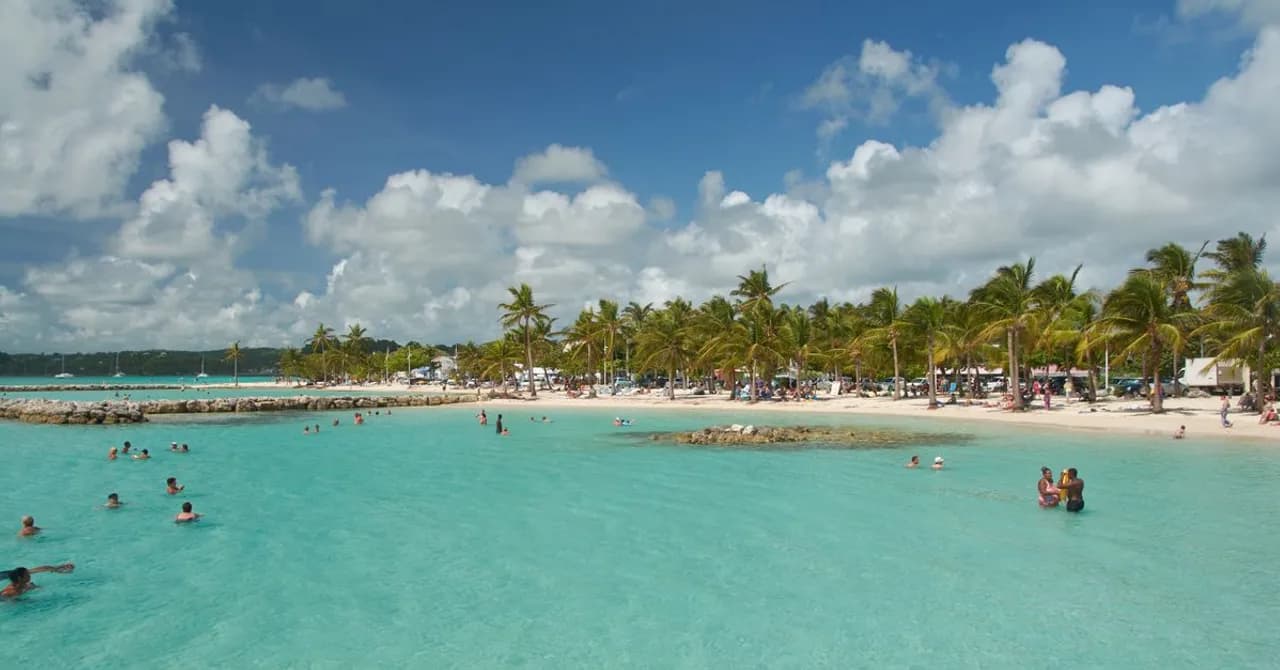
Guadeloupe runs on its own French Caribbean networks, outside our regional Caribbean plan. Coverage, 5G rollout dates and a realistic data budget.

Most eSIM apps that list Lebanon don't actually connect there. What does, a realistic data budget, and why coverage depends on generators as much as towers.

Germany requires ID to activate any prepaid SIM, even a tourist one. A travel eSIM skips that, plus network coverage and a realistic data budget.

One Caribbean eSIM plan covers 11 islands, not the whole region. Which are included, which need their own plan, and how much data to bring.
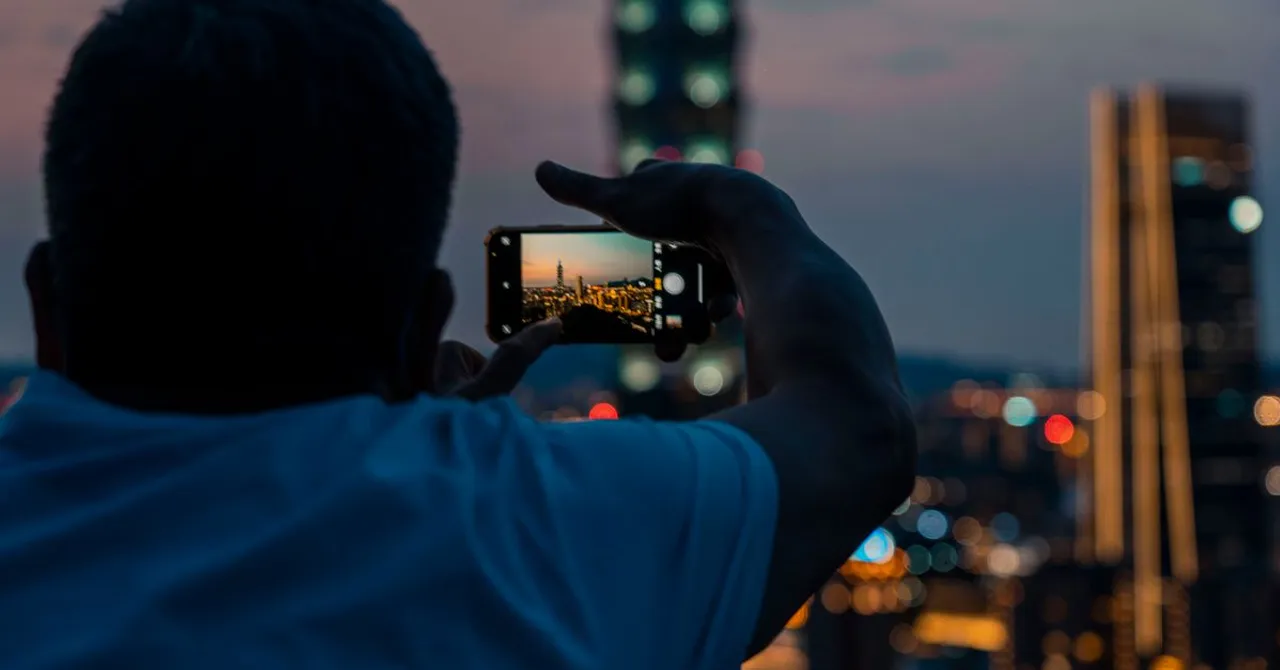
5G on a travel eSIM depends on the local network you roam onto, not the country. Where 2026 travelers get real 5G, and where 4G is still the honest answer.

Panama is down to two national networks since 2022. Coverage from the capital and the Canal to Bocas del Toro's outer islands, and how much data a trip needs.

Telia, Elisa and Tele2 blanket the mainland; the Saaremaa ferry and its causeway still go quiet. How much data an Estonia trip needs, and what EU roaming skips.

No road links Panama and Colombia. How the two-week San Blas boat crossing works, what part of the Darién Gap to avoid, and how much data it needs.