eSIM basics
Start here — how eSIMs work, the terms you'll meet, and whether your phone is ready.

See a carrier name you don't recognize when you land? That's normal. How eSIM roaming networks get picked, and how to check yours before you fly.
Installed a new eSIM every trip and hit a wall? How many profiles your phone can store, how that differs from how many run at once, and what to delete first.
EID and ICCID sound alike but mean different things. Learn what each number is, exactly where to find it on iPhone and Android, and when support asks for one.

You can't run one eSIM on two phones at once, but you can share its data. Here's how tethering works, and when a second eSIM makes more sense.

Zwitchy travel eSIMs run on phones, not iPads, tablets or laptops. The simple, cheaper fix: share your phone's connection over Personal Hotspot.
US iPhone 14, 15 and 16 models are eSIM-only, with no SIM tray. What it means for travelers, how dual eSIM works, and why a Zwitchy eSIM fits perfectly.

5G on a travel eSIM works where the local network has it: dense in cities, thinner in the countryside. What really affects speed, and when good 4G is enough.

A travel eSIM only installs on a carrier-unlocked phone. How to check your iPhone or Android in a minute, spot a lock, and get unlocked before you travel.

eSIM, profile, APN, EID, KYC, fair-use, tethering, the jargon decoded in plain English so you know exactly what you’re buying.

Every common question about travel eSIMs, compatibility, setup, data, your number, billing and refunds, answered clearly in one place.
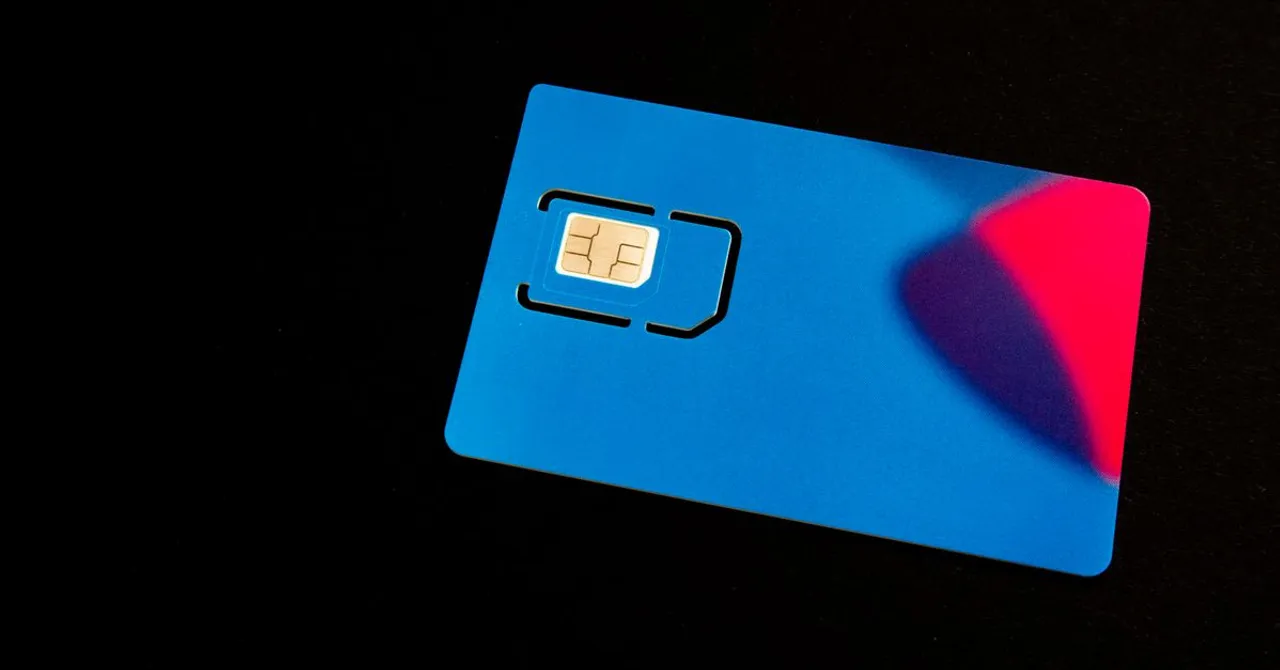
No tiny card, no pin tool, no kiosk. Here’s what an eSIM really is, what happens when you scan that QR code, and why going digital is more secure.
Two things decide it: an eSIM-capable phone and an unlocked one. Here’s how to check both in under a minute, plus the traps that catch people out.